Hero the Guests
Who are you really shooting for?
Before we talk about lenses, light, composition, editing, or style, there is a more important question every wedding photographer should ask:
Who are you shooting for?
It sounds obvious. The couple booked you. Their names are on the contract. Their faces will appear most often in the final gallery.
But if we are not careful, somewhere between building a portfolio, creating content, and chasing the next incredible frame, the wedding can quietly become about us.
Our vision. Our photographs. Our Instagram feed. Our chance to create something impressive.
That is when we need to remind ourselves of something that may be uncomfortable at first:
It is not about you.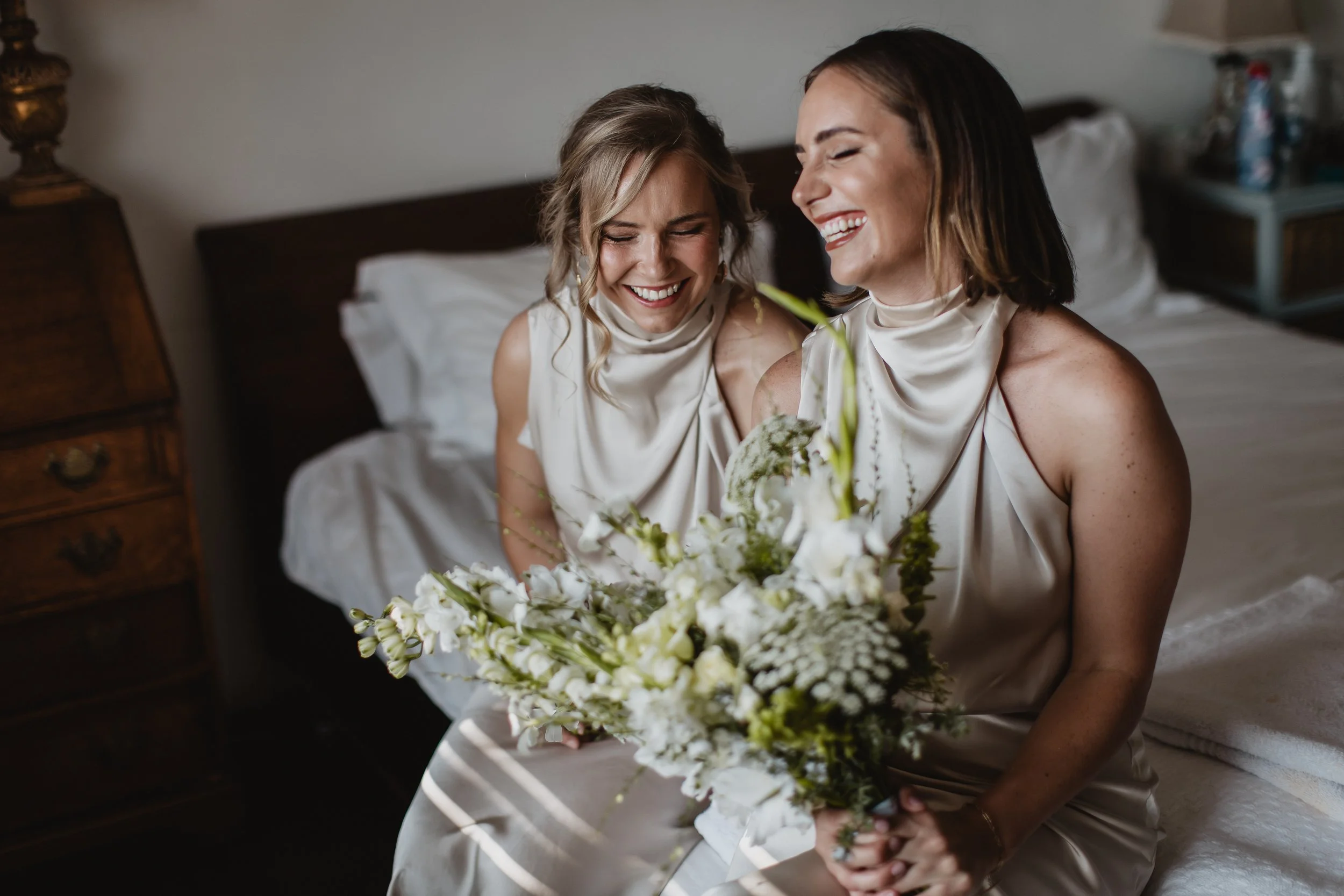
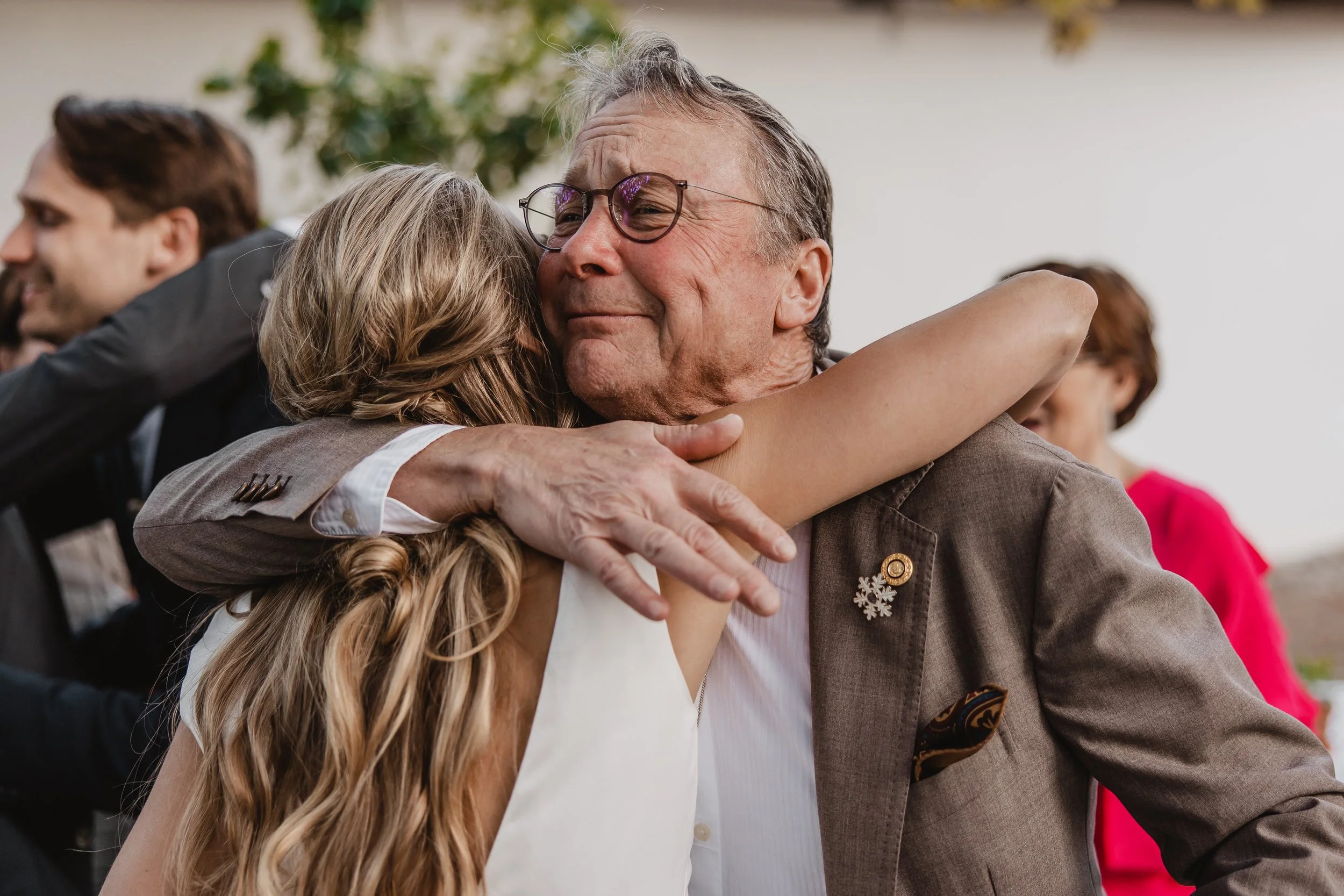
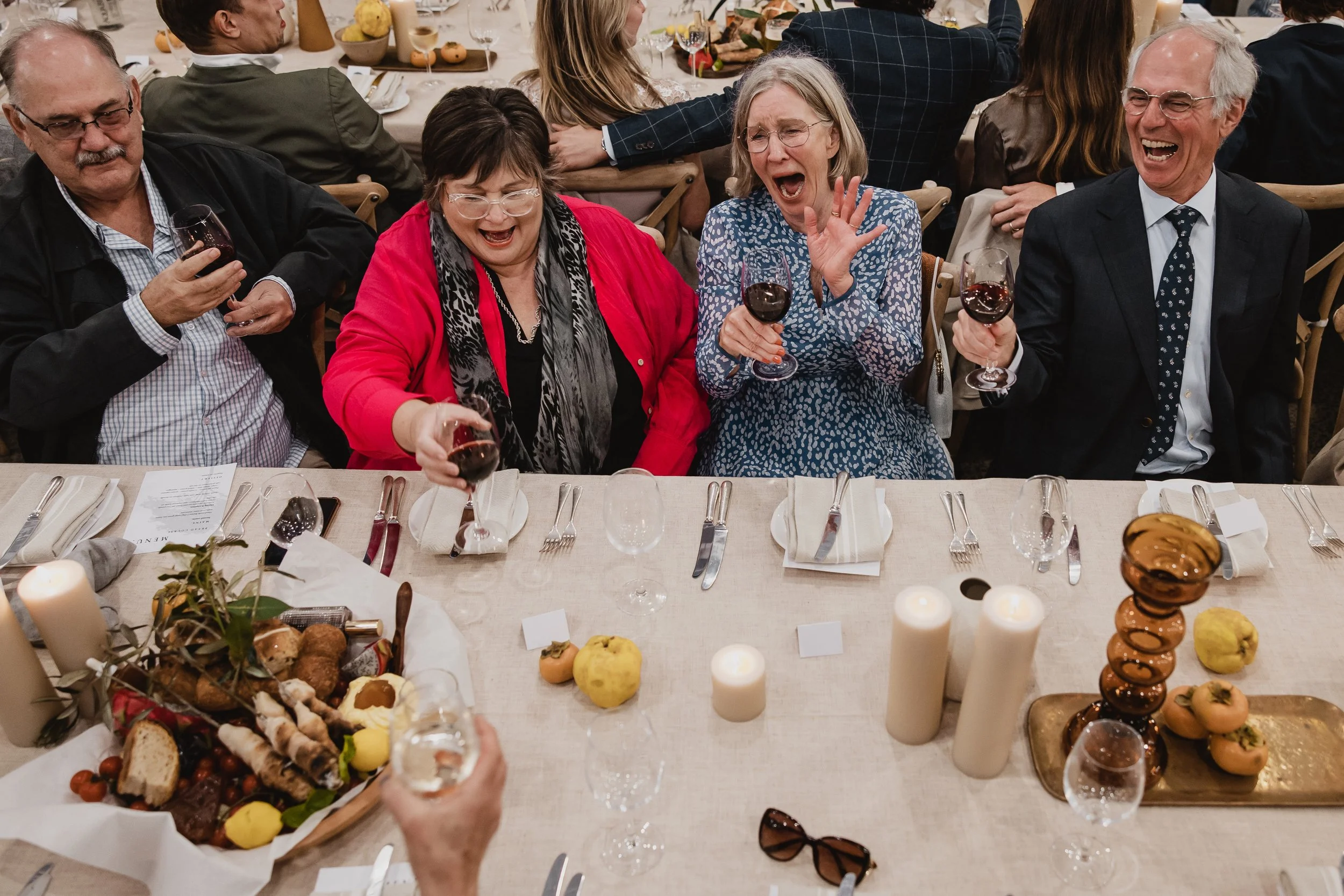
You are not the hero
Every great story has a hero and a guide.Frodo is the hero. Gandalf is the guide.
Luke Skywalker is the hero. Obi-Wan Kenobi is the guide.
The guide has experience. The guide understands the terrain. The guide helps the hero move through the story, but never tries to take the story away from them.
As wedding photographers, we are not the heroes.
The couple is the hero.Their guests are the world the heroes live in.They are the parents who shaped them, the siblings who know every version of them, the friends who witnessed the beginning of the relationship, and the people who travelled across countries to stand beside them for one day.
We are the guides trusted to help preserve it all.
Our job is not to be loud. Our job is to be ready.
To see it coming. To create space. To stay human.
To aim our cameras at what matters most, even when it is not perfect.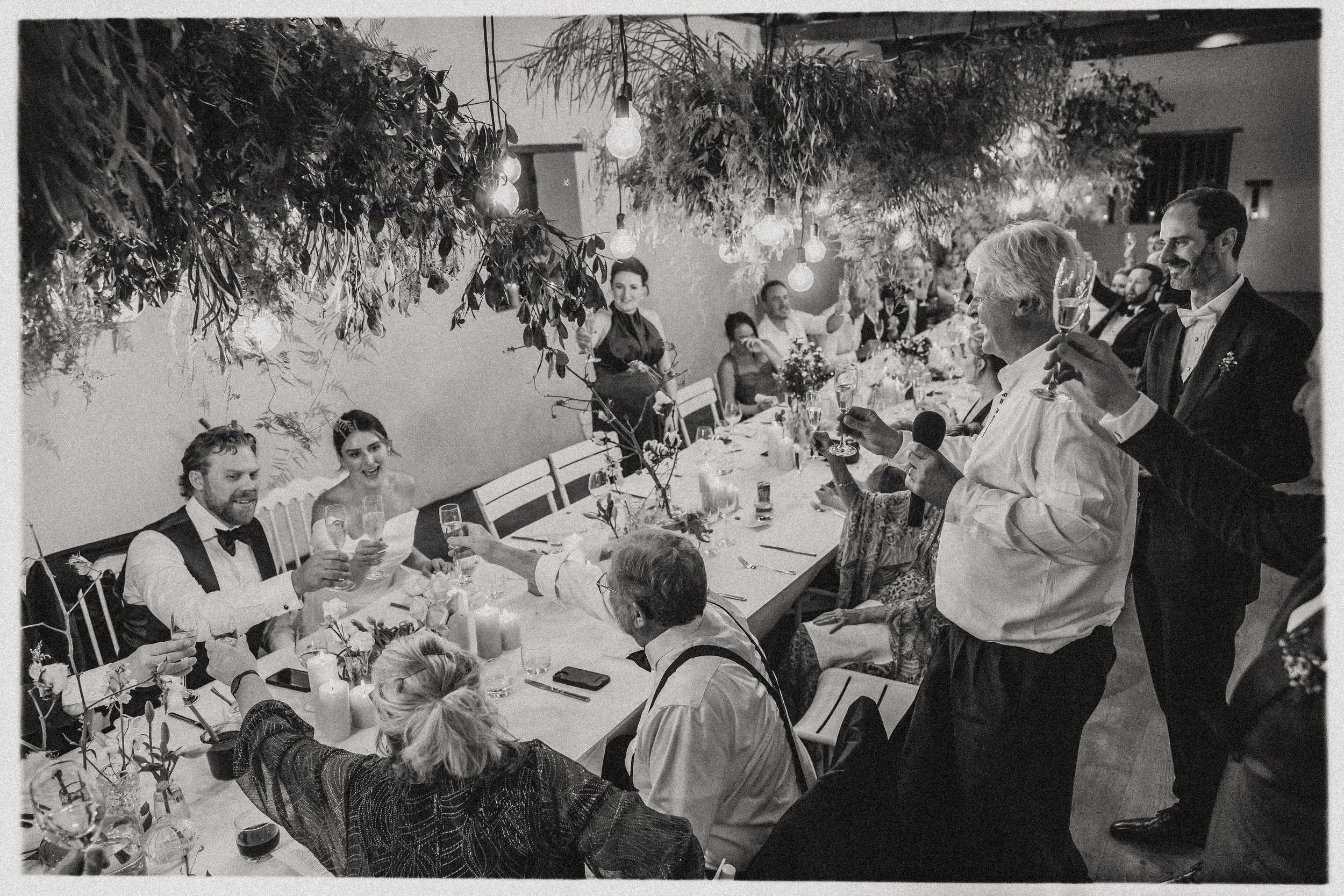
The tough pill for photographers
Photographers love talking about the craft.
We talk about light, composition, colour, lenses, movement, presets, and the tiny technical decisions that can completely change a photograph. We notice things most clients will never notice, and that knowledge matters. It is part of what makes us professionals.
But clients do not pay for insider brilliance.
They pay for a problem solved.When we strip away the trends, the mood boards, the package names, and all the surface-level stuff, the real problem sounds more like this:
“I do not want to forget what it felt like.”
“I want to see my people.”
“I want to relive the day, not just admire it.”
And yes, “I want to look good.”
That last one matters too. People want to feel confident. They want photographs in which they recognise themselves at their best. We should give them that.
But we should also give them more.
Give them what they asked for, and then give them what they did not know to ask for.
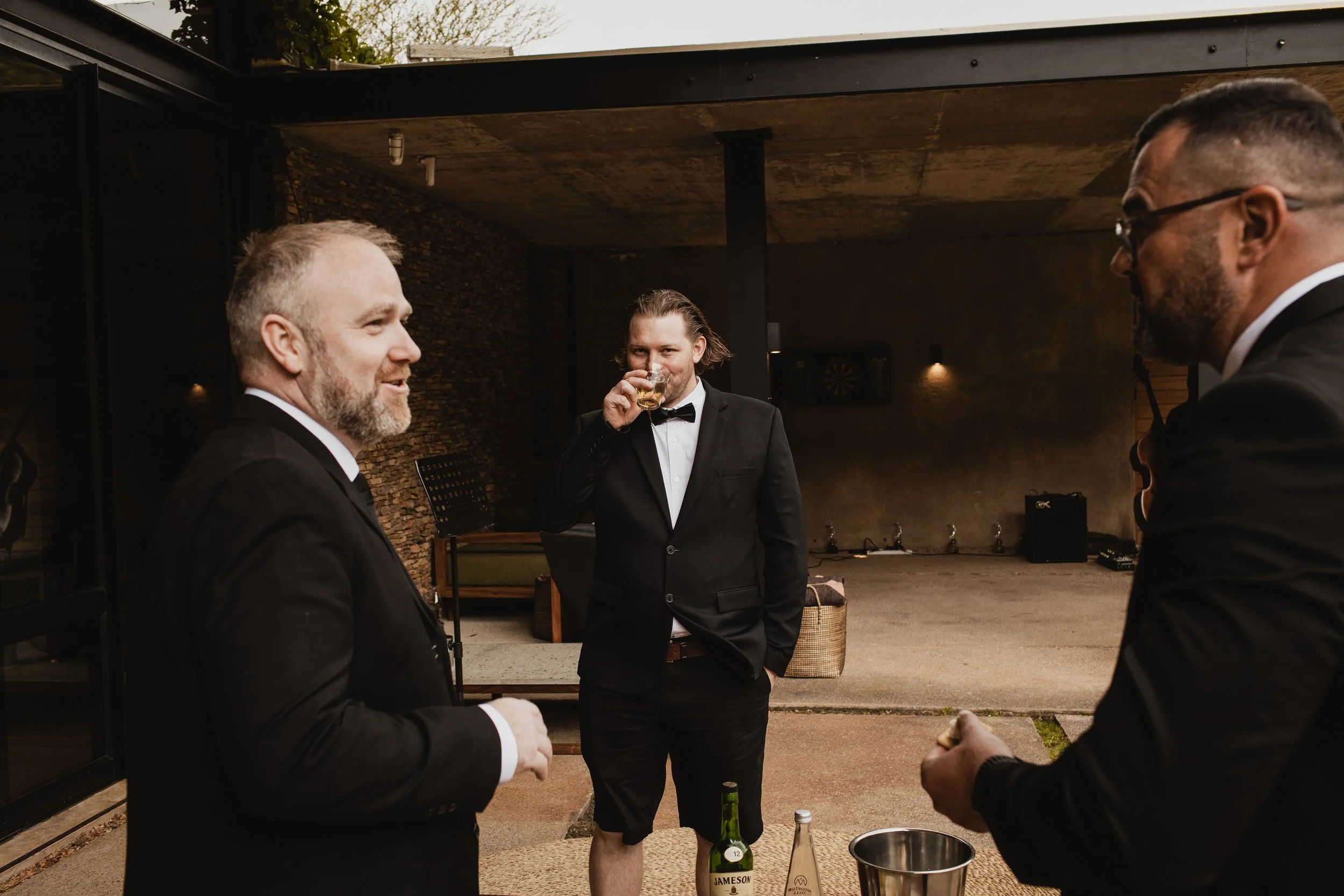
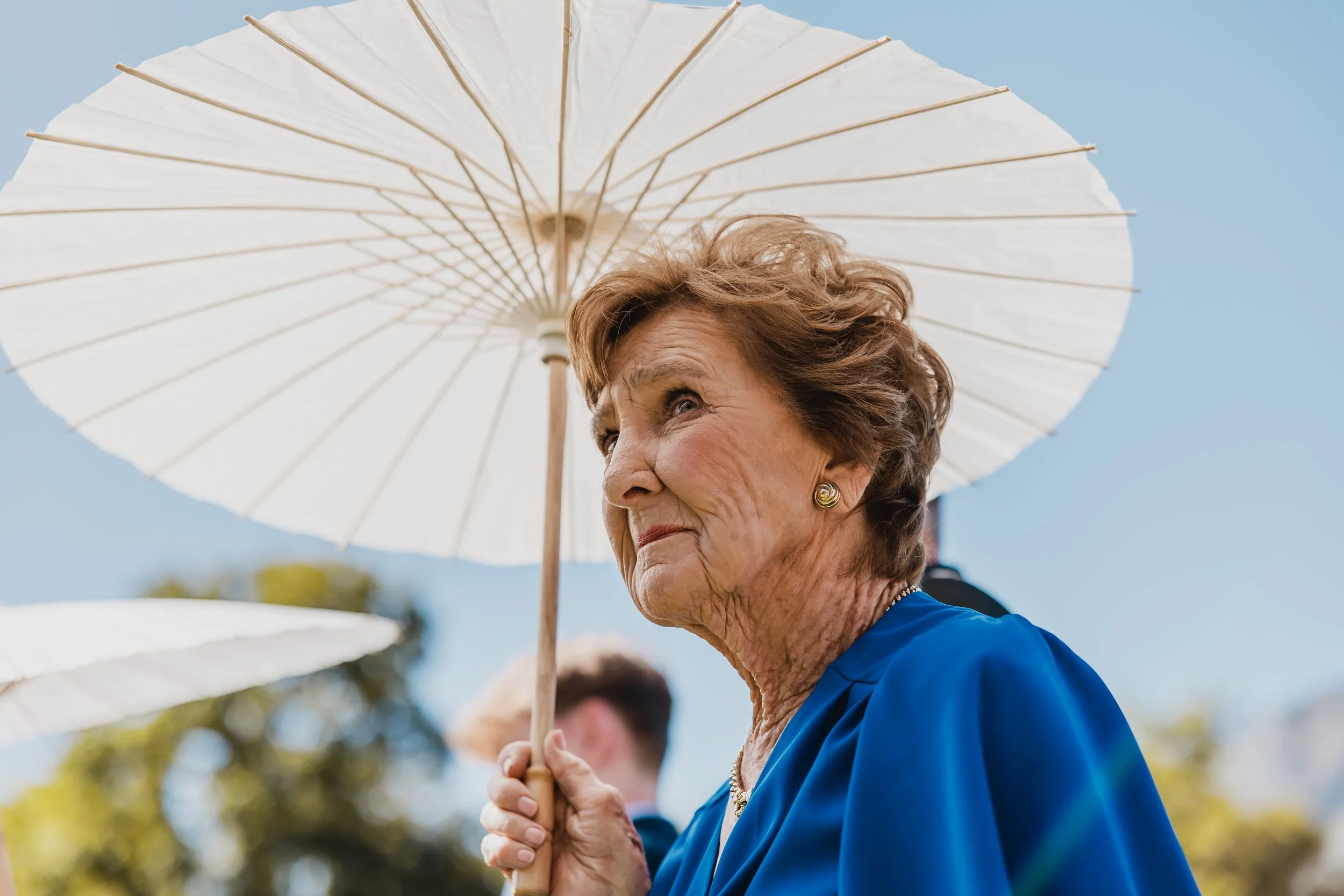
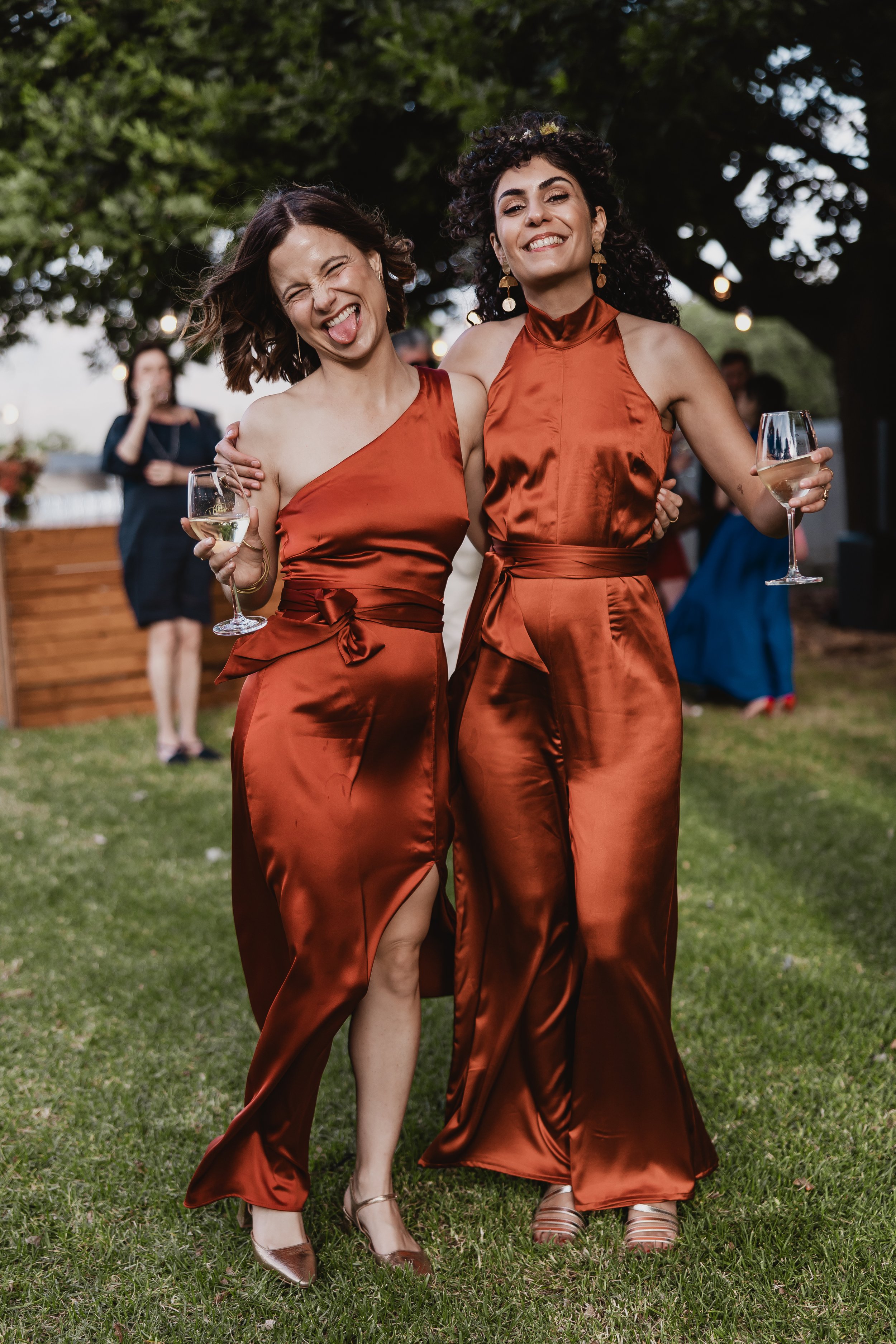
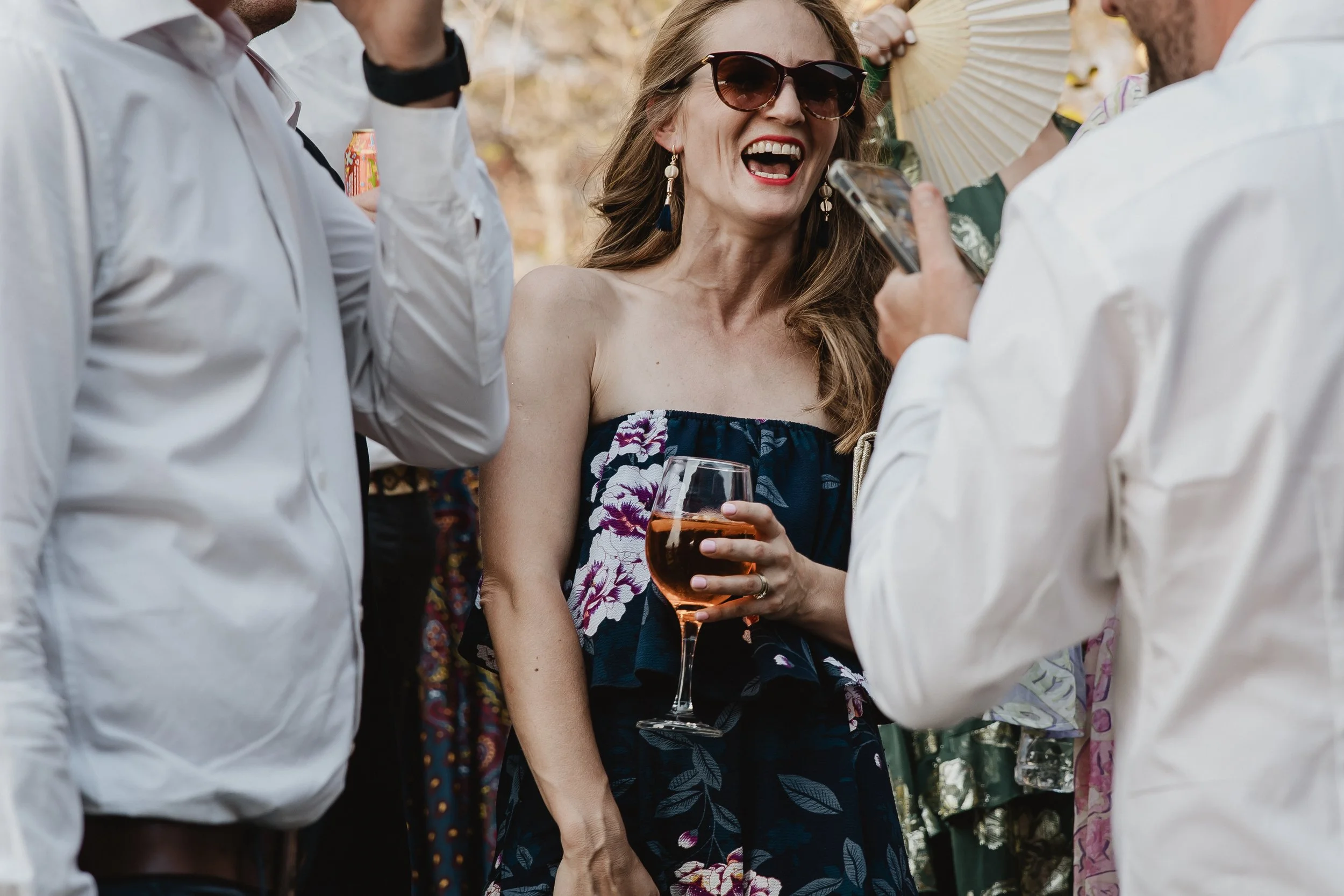
Give them the photograph of their father standing quietly at the edge of the room after the ceremony. Give them the friend wiping away a tear before anyone notices. Give them their grandmother laughing with her whole body. Give them the moment their siblings look at one another during the speeches because they both understand the reference.
These photographs may never appear on a mood board. They may not win an award. But they could become the most important photographs in the gallery.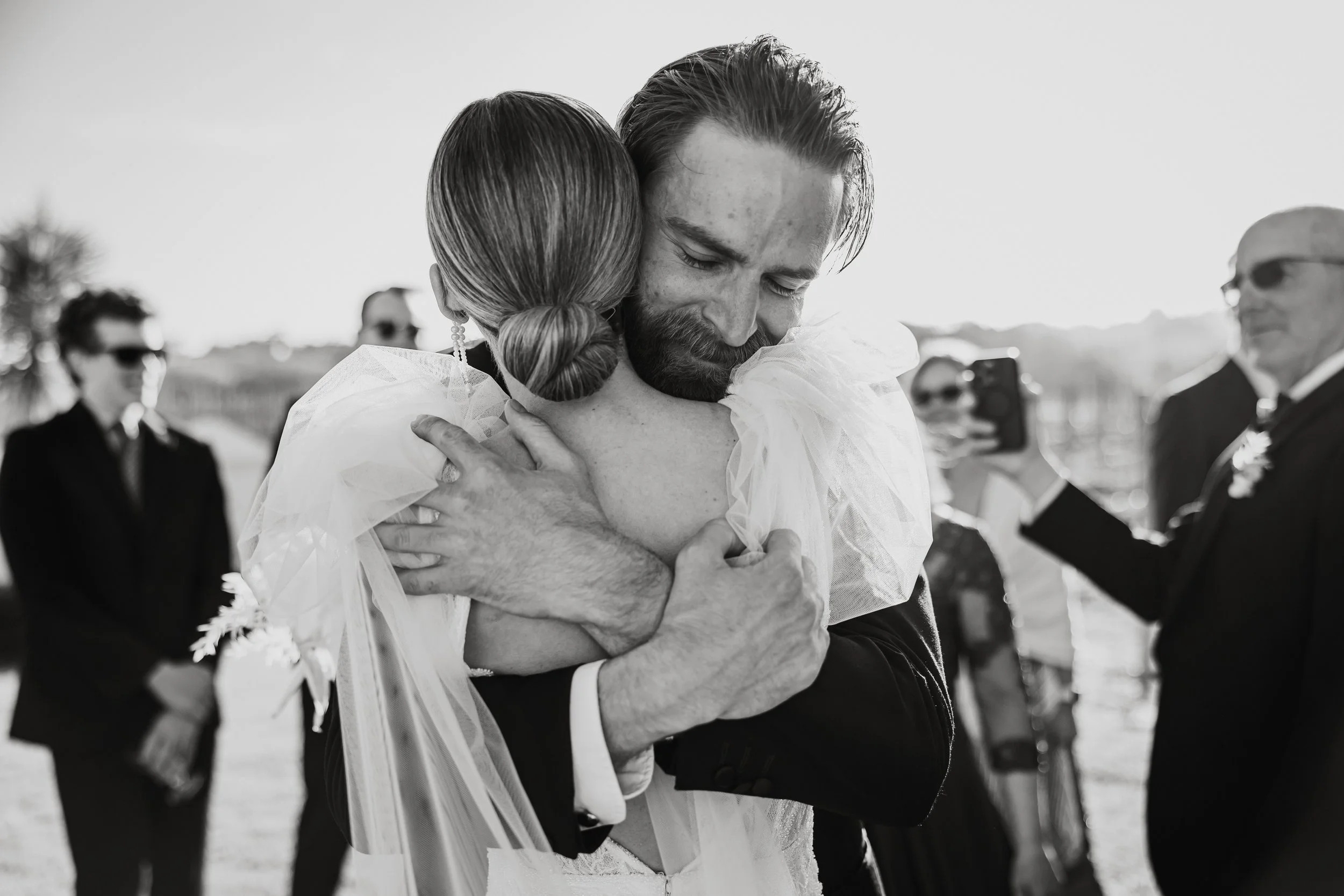
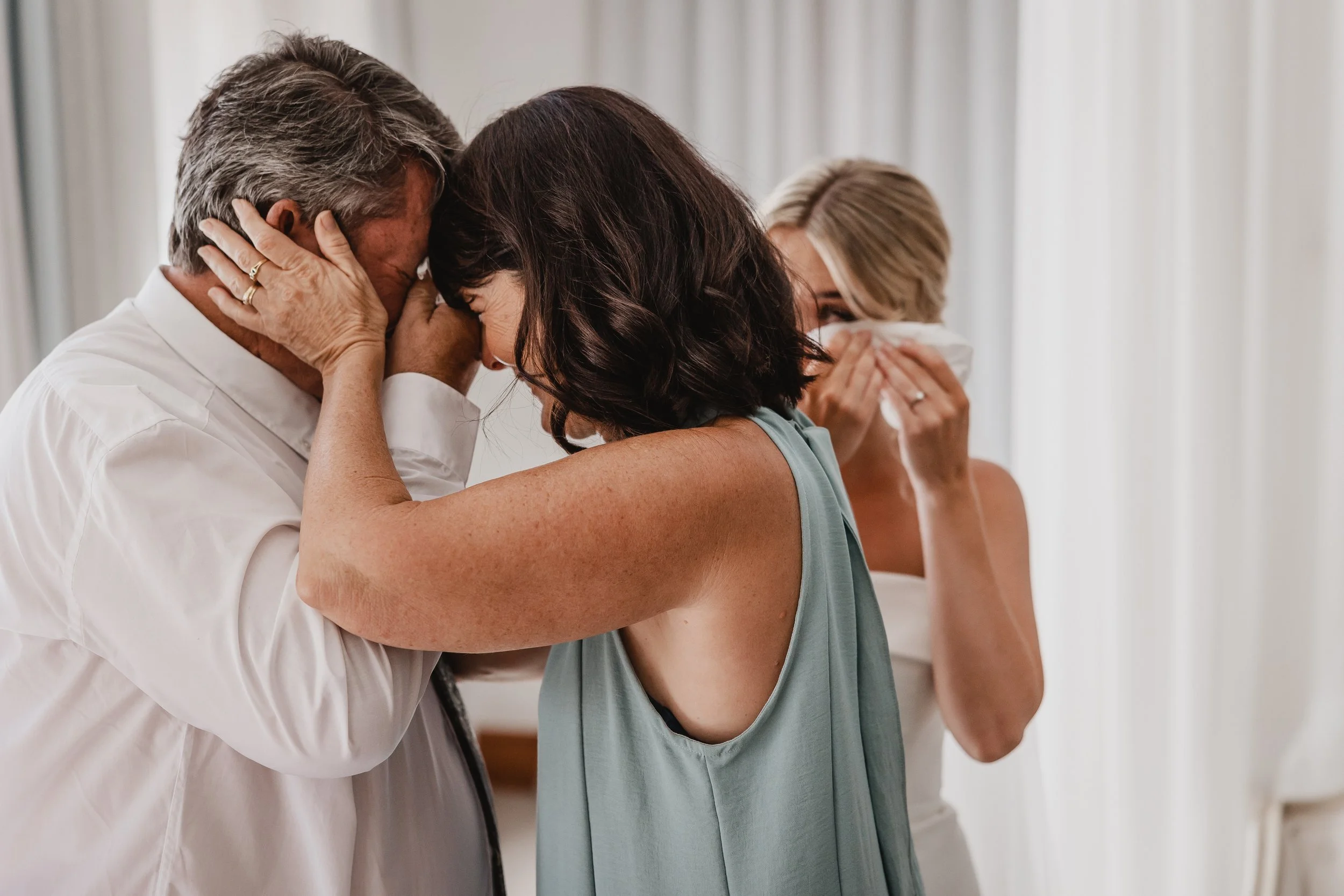
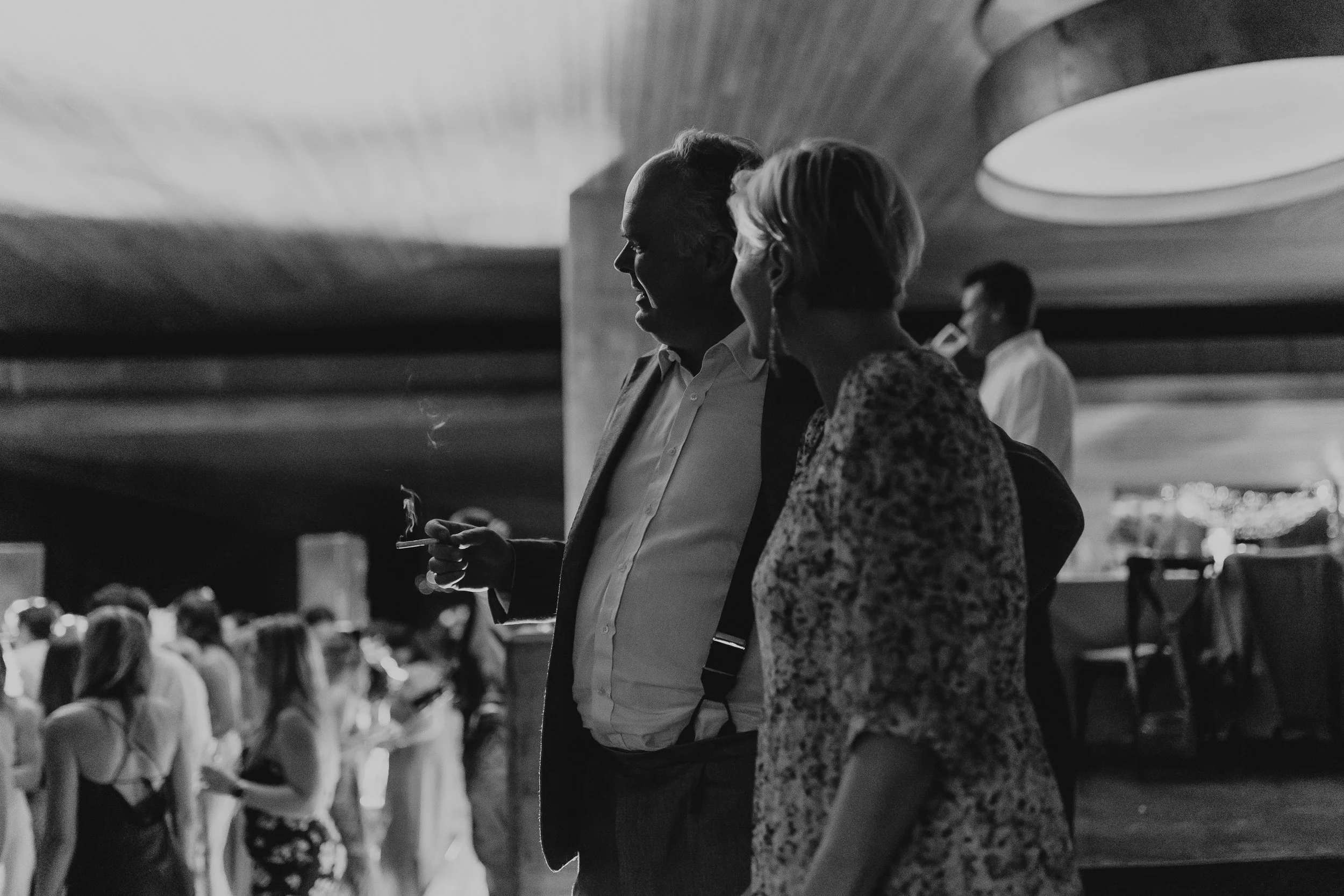
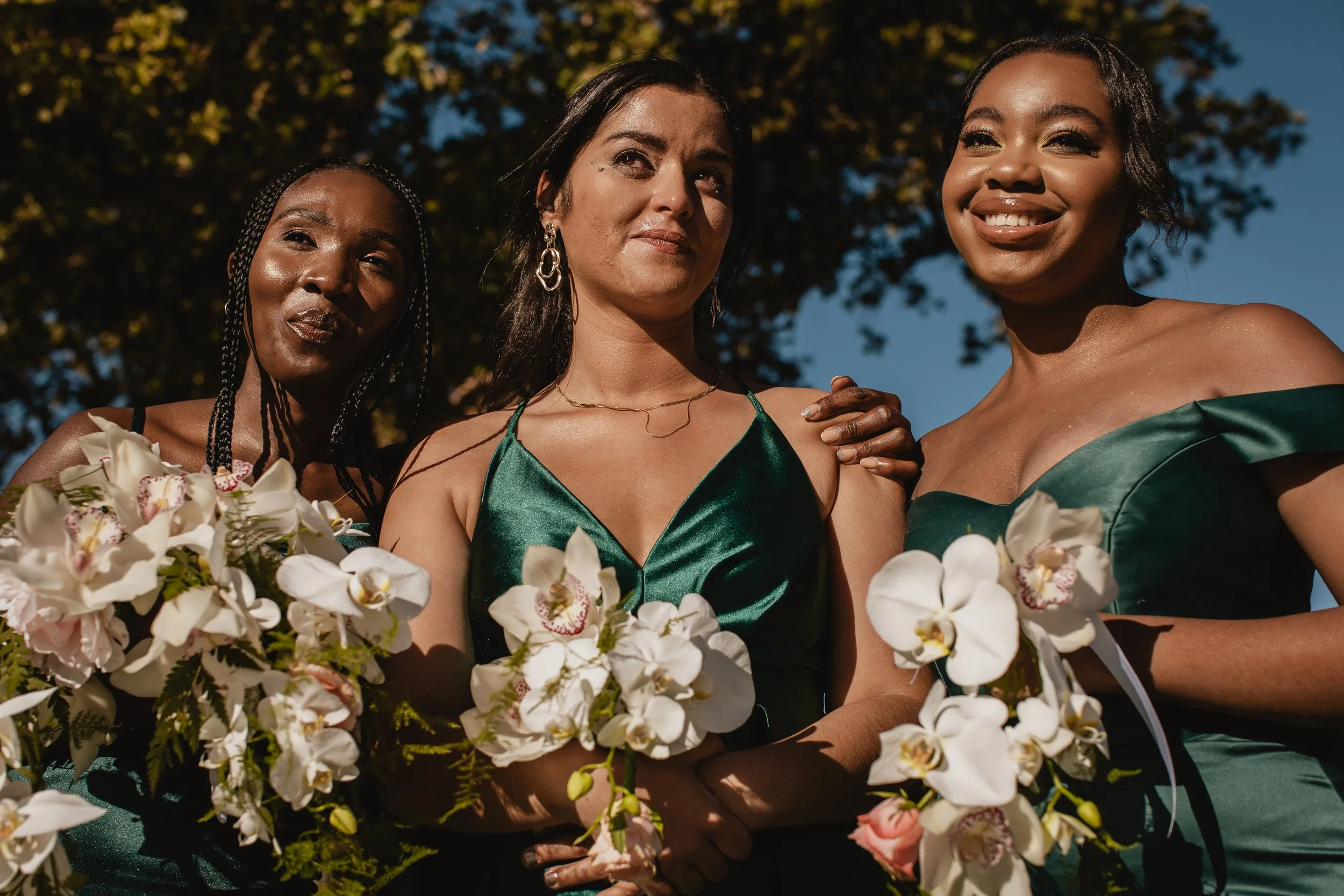
People make weddings
Not the decor.Not the dress.Not the style.People.This does not mean the details are unimportant. A huge amount of thought, skill and care goes into creating a beautiful wedding. The flowers, food, clothing and spaces all form part of the story.
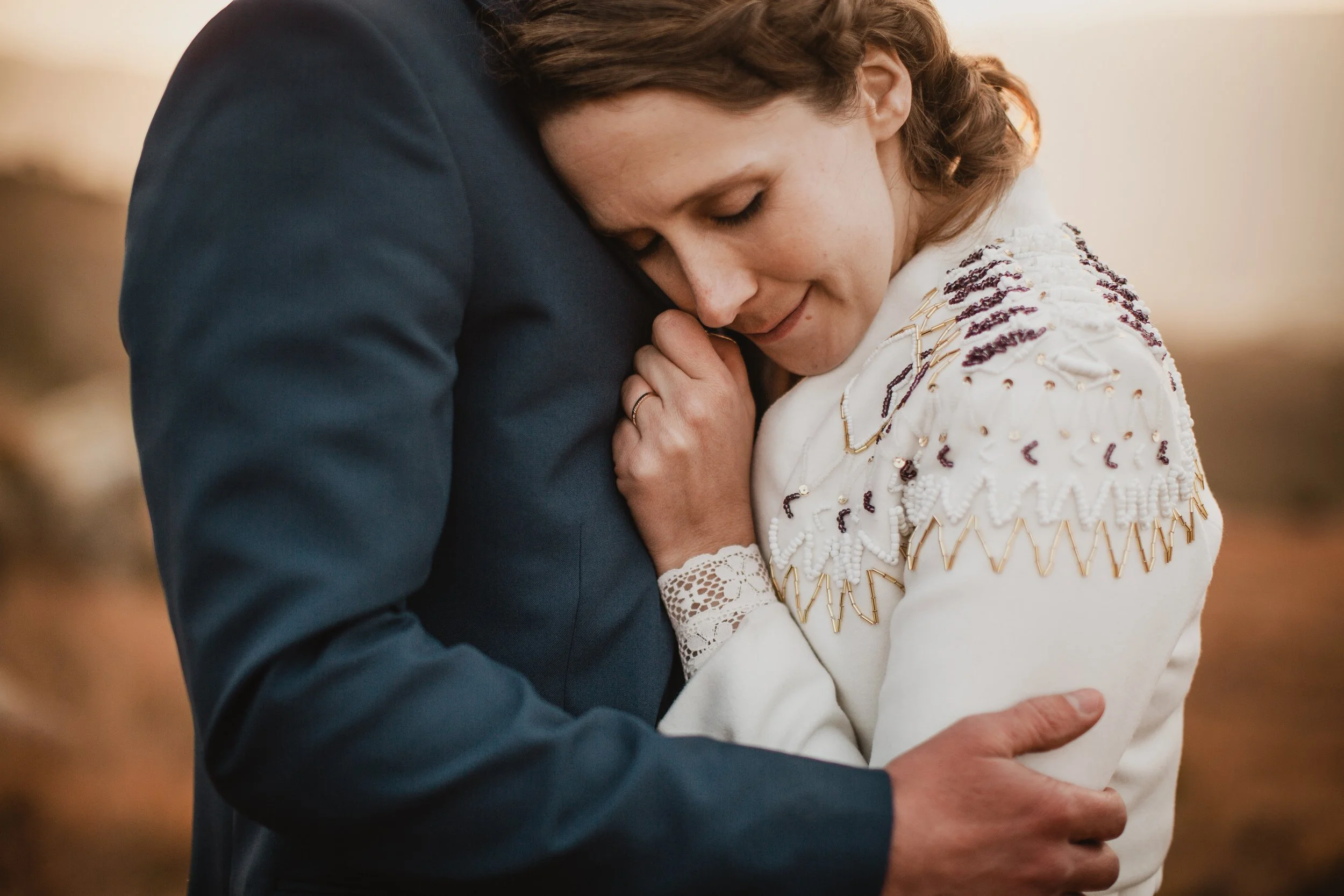
But a table arrangement does not throw its head back during a speech. A dress does not reach for someone’s hand. A floral installation does not pull the couple into a hug after waiting so long to see them get married.
People give a wedding its pulse.The practical reframe is simple:
You are documenting a community gathering around two people.
Once you see a wedding that way, your attention starts to move differently. You still photograph the couple beautifully. You still document the details. But you also begin scanning the edges of every important moment.
When the couple is exchanging vows, you look for the parents listening.
When the speech lands, you look beyond the speaker.
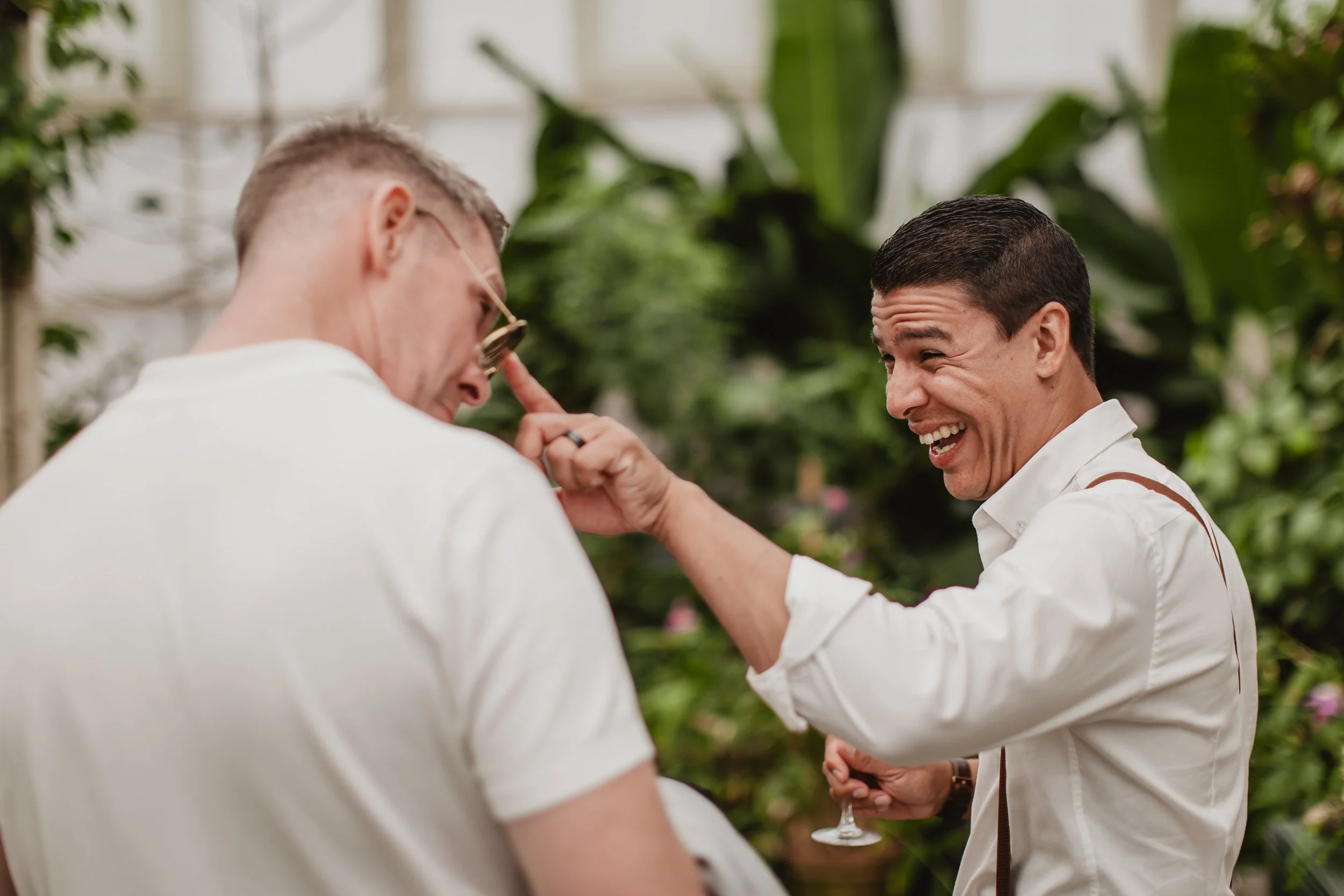
When the dance floor opens, you do not only follow the loudest person in the middle. You notice the grandfather watching from his chair, the childhood friends singing together, and the two guests reconnecting beside the bar.
The story is happening everywhere.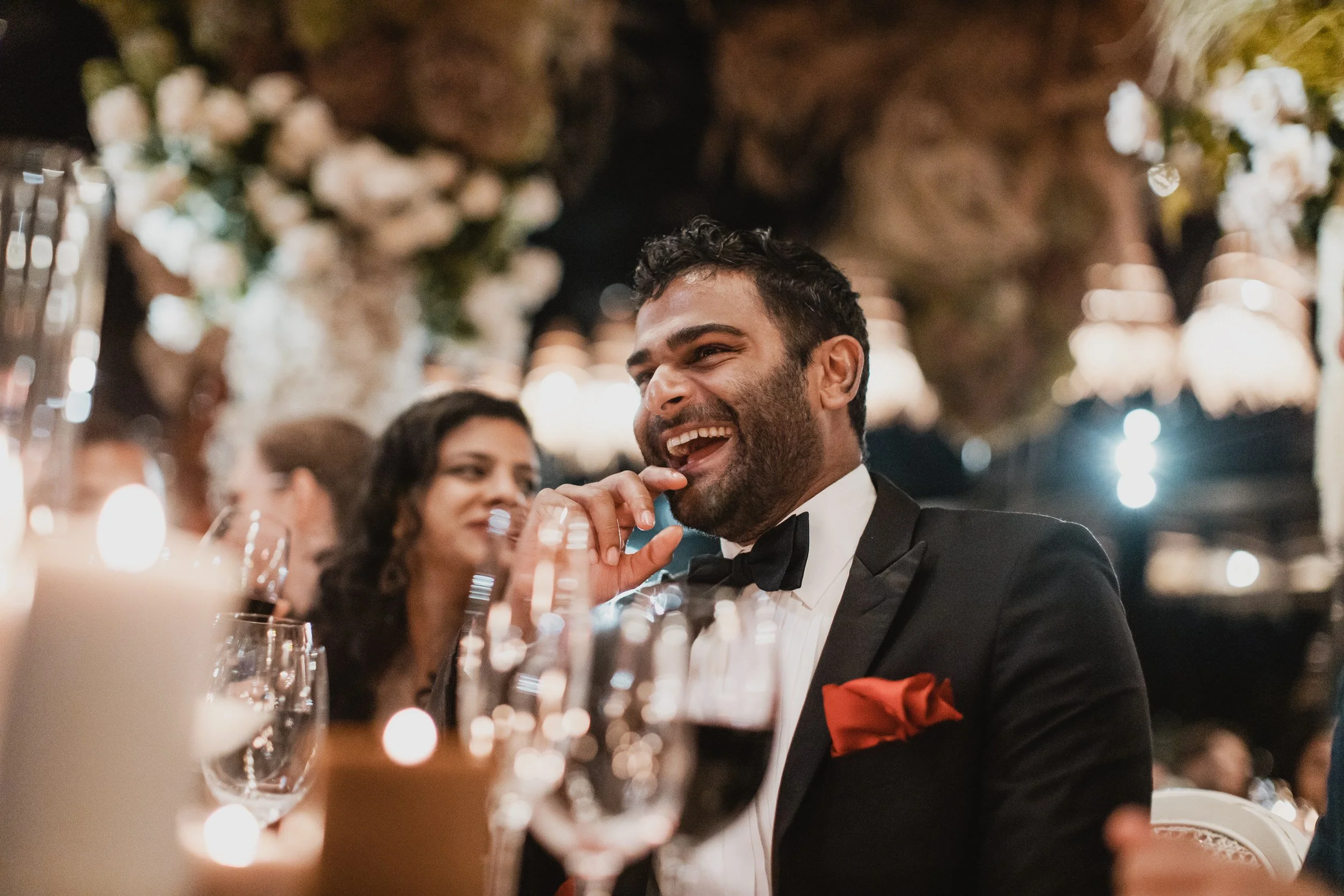
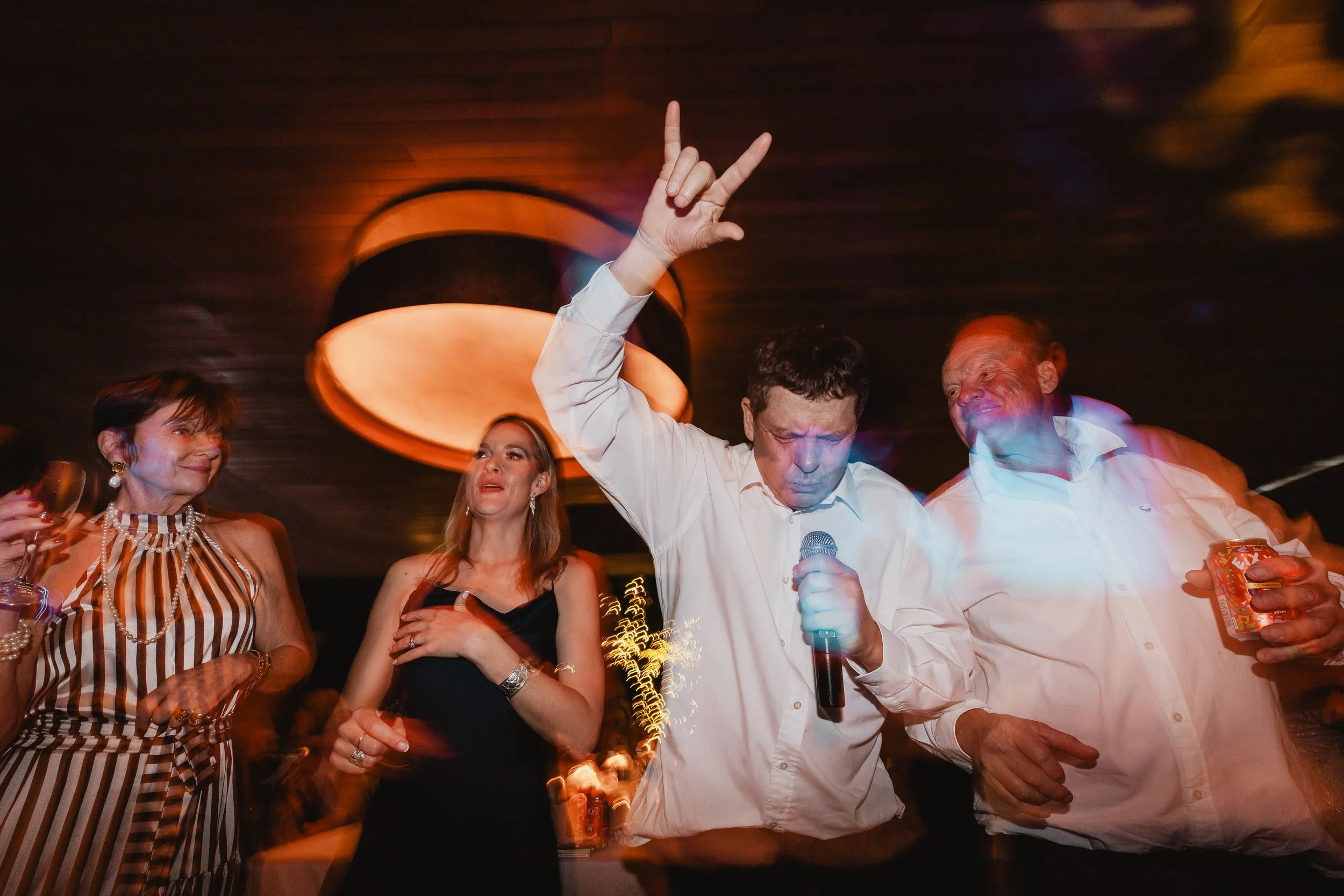
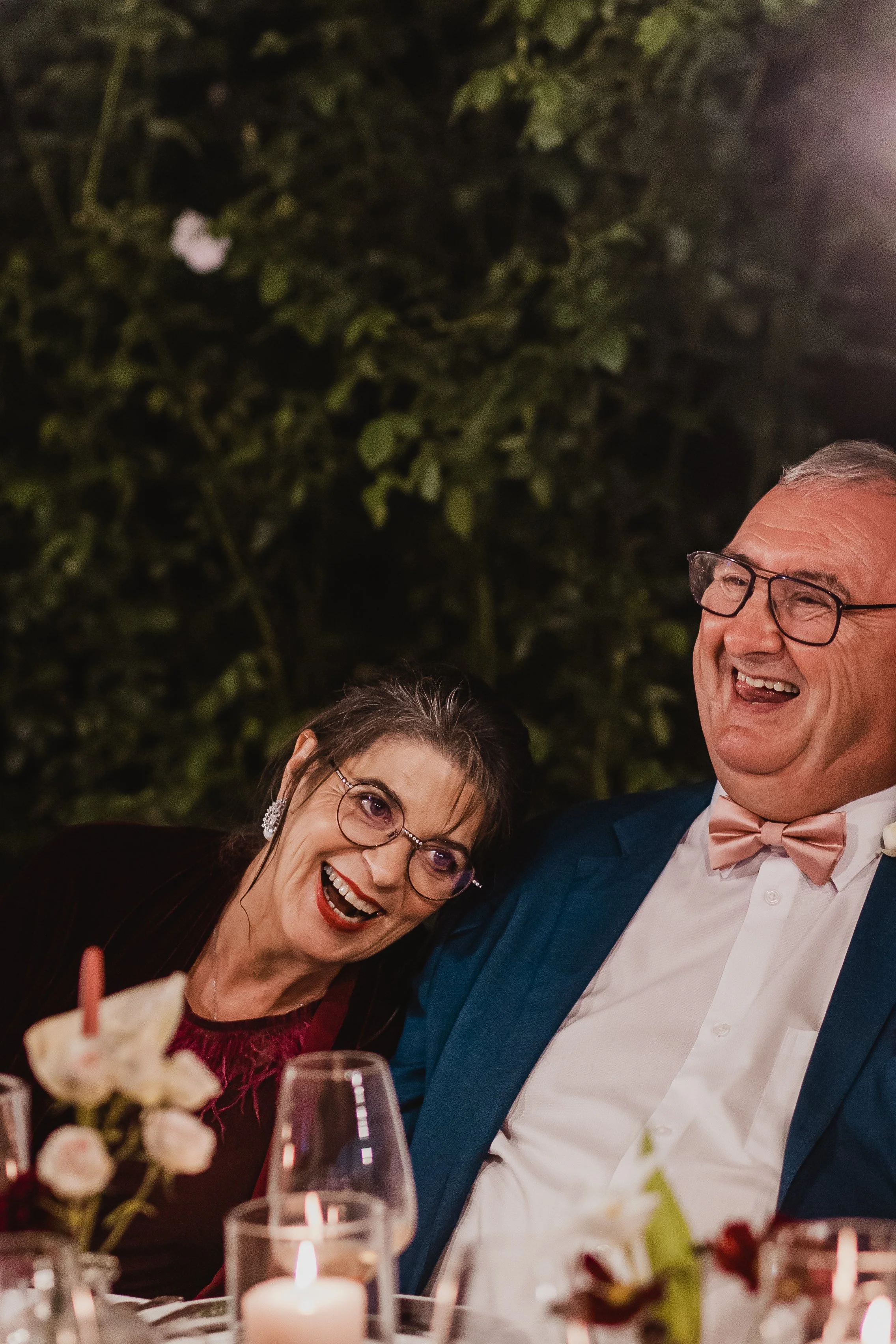
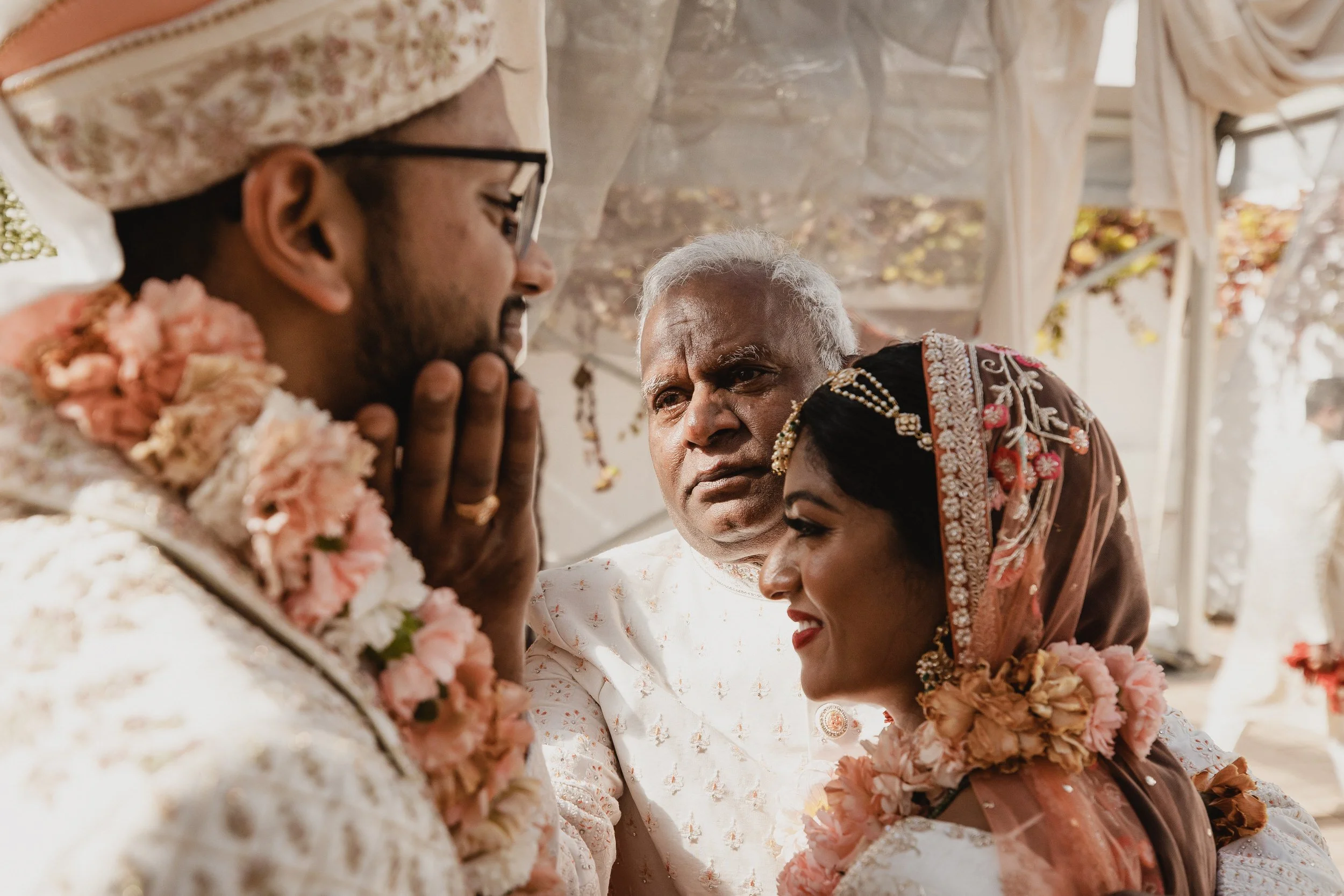
Do not turn the wedding into your production
I have a simple test that I think about while photographing a wedding:
If my presence becomes the event, I have hijacked the story.The wedding should feel like their celebration, not the Kikitography show.There are moments when we need to guide. There are family photographs to organise, portraits to create, and timelines to protect. Being documentary does not mean standing silently in a corner and hoping everything works itself out.
But our involvement should serve the experience, not overpower it.
We should know when to give direction and when to disappear. When to help and when to get out of the way. When to create a little space for something to happen and when to leave a beautifully imperfect moment completely untouched.
The goal is not for everyone to remember how impressive the photographer was.The goal is for people to remember the celebration, while the photographs quietly prove that we understood what mattered.
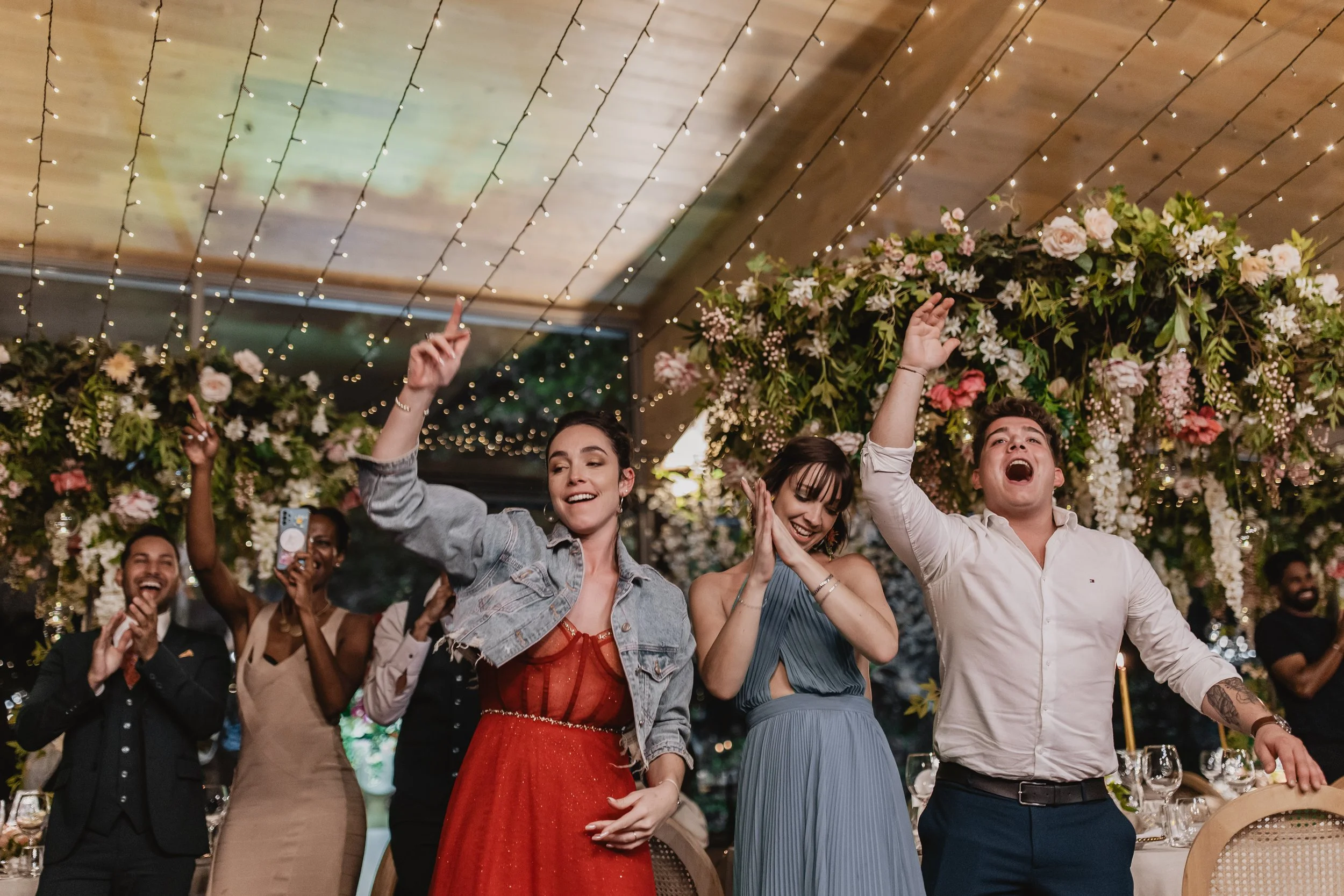
Find the legacy anchors
Think about the last wedding you photographed.
Who were the five people who made that day feel like something?Not necessarily the five people who appeared most often. Think about the people whose presence carried emotional weight. The mother who held everything together. The friend who kept the room laughing. The sibling who knew exactly when the couple needed help. The grandparent everyone made time to greet.
Those people are legacy anchors.
They connect the wedding photographs to the couple’s larger life. Years from now, those faces may carry even more meaning than they did on the wedding day.
The challenge is that we cannot always identify them by looking at the room. We need to do some work before the wedding.
Ask the couple who matters most. Ask which relationships they want to remember. Ask whether someone has travelled a long way to be there. Ask if there are people or family dynamics you should understand before arriving.
This is not about creating a rigid list that turns the day into a box-ticking exercise.
It is about learning where the emotional weight lives.Once you know who the legacy anchors are, you can pay attention without forcing anything. You know whose reaction to look for. You recognise the person standing just outside the obvious frame. You understand why a small interaction matters.

Watch the reaction, not only the action
The obvious moment will always pull your attention.The kiss. The confetti. The entrance. The first dance. The person holding the microphone.
Often the emotional meaning lives in the reaction.Who takes a deep breath when the bride enters?
Who reaches for a hand during the vows?
Who already knows the punchline to the speech?
Who stays behind for one more hug after everyone else has moved on?
Capturing these moments consistently requires more than fast camera settings. It requires curiosity. You need to understand the relationships in the room and remain open to what is happening outside the expected frame.
Do not only photograph what everyone can see.Photograph what the couple might otherwise have missed.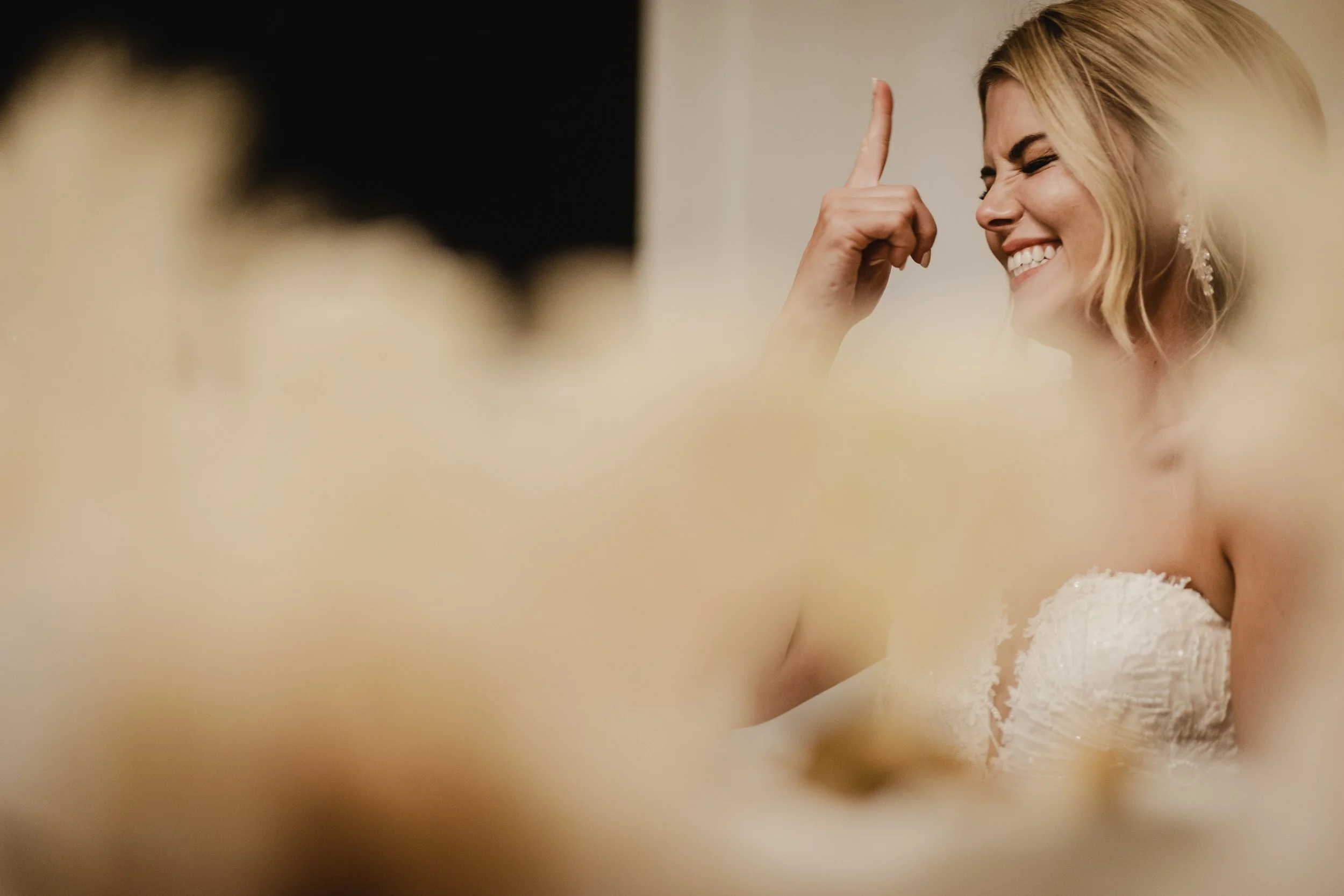
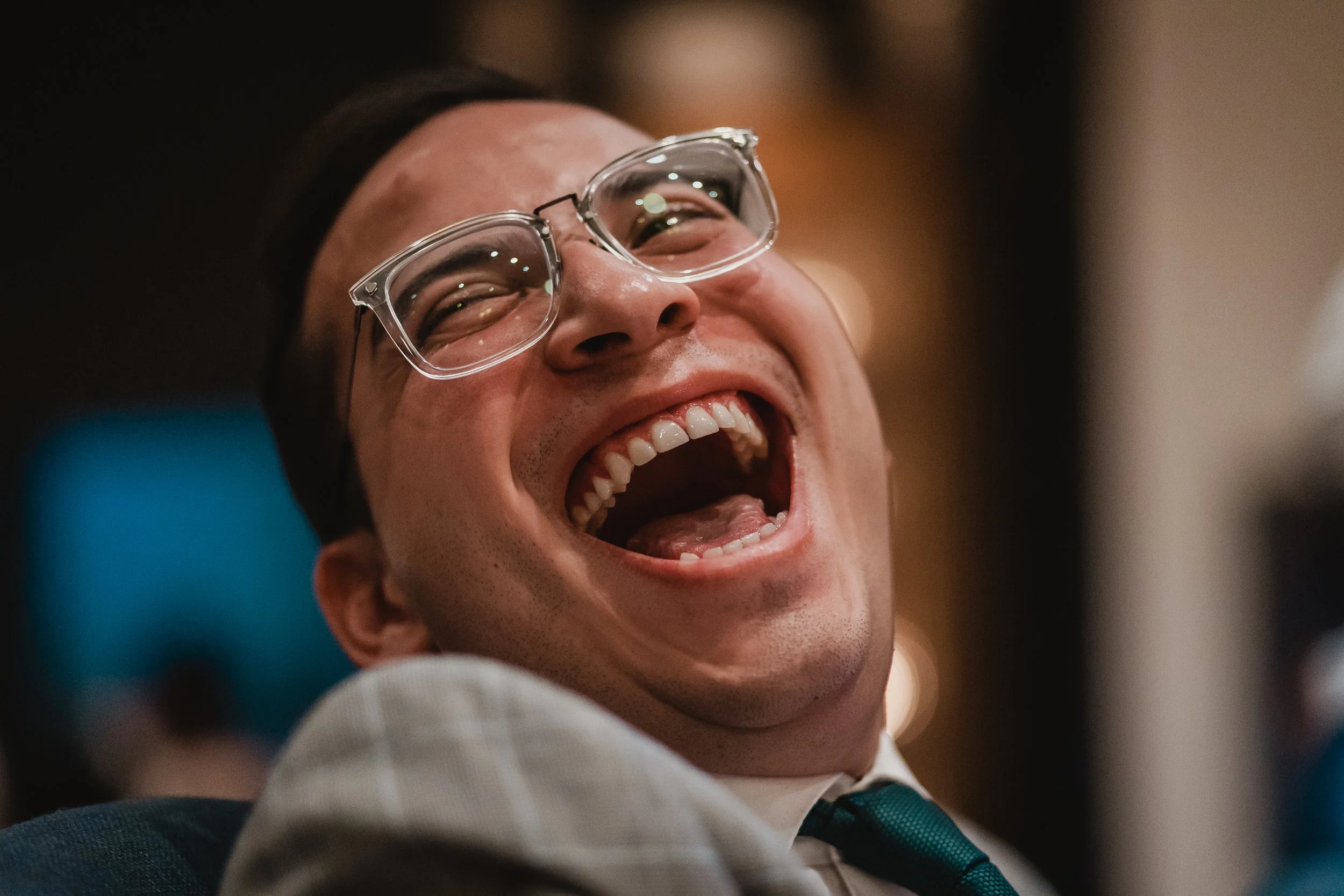
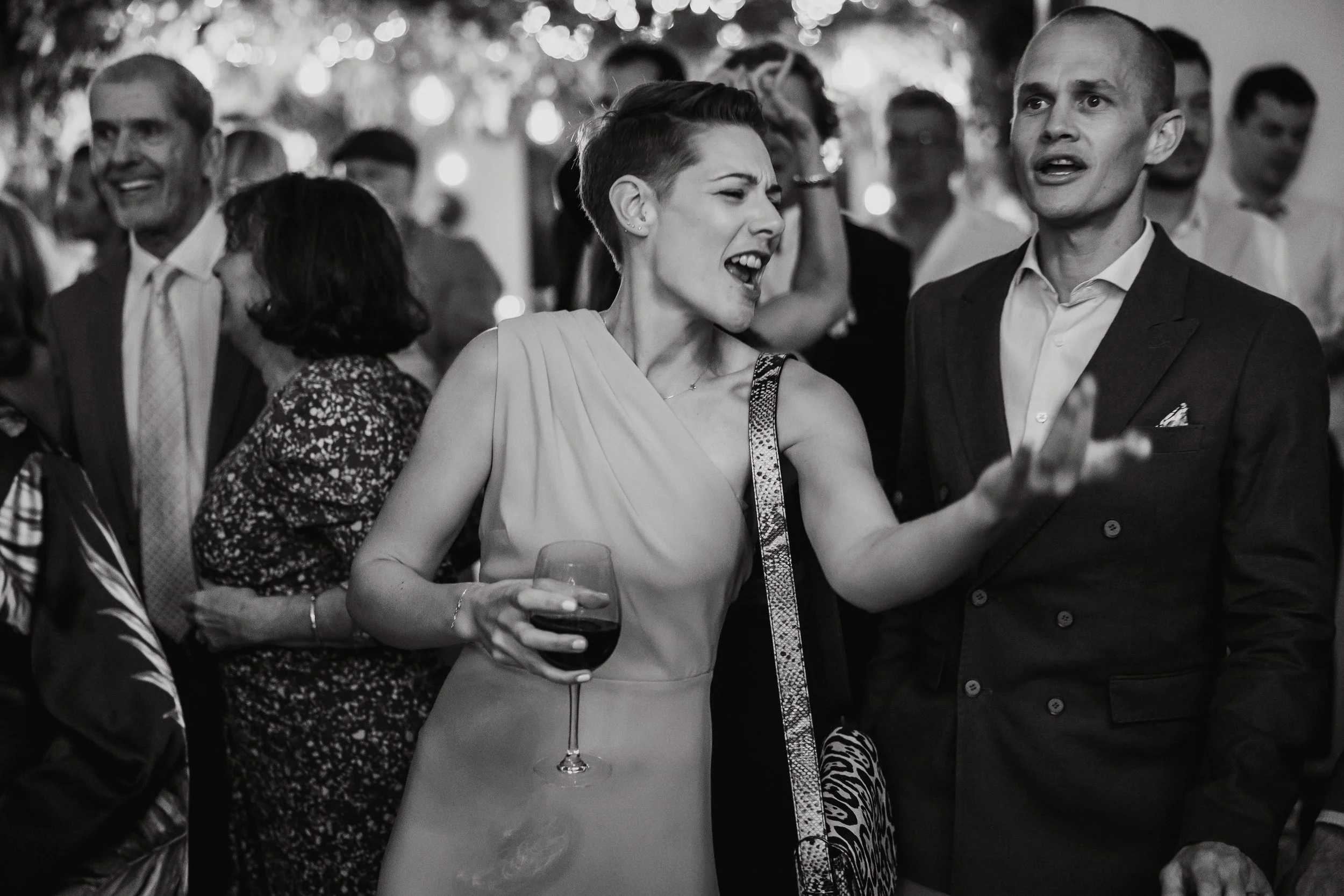
The imperfect frame may be the perfect memory
Photographers are trained to look for clean backgrounds, beautiful light, and strong composition. We should care about those things. Craft matters.
But weddings are alive. Real moments do not always happen in perfect light. People step into frames. Faces become partially hidden. Emotion arrives before we have time to tidy the scene.Sometimes the photograph that matters most will also be the photograph you wish had been technically cleaner.
Take it anyway.A technically perfect photograph of something meaningless will not become more valuable simply because it is polished. A slightly imperfect photograph of the right person at the right moment could become part of a family’s history.
The standard is not careless work. The standard is knowing what deserves priority.Moment. Meaning. Then perfection.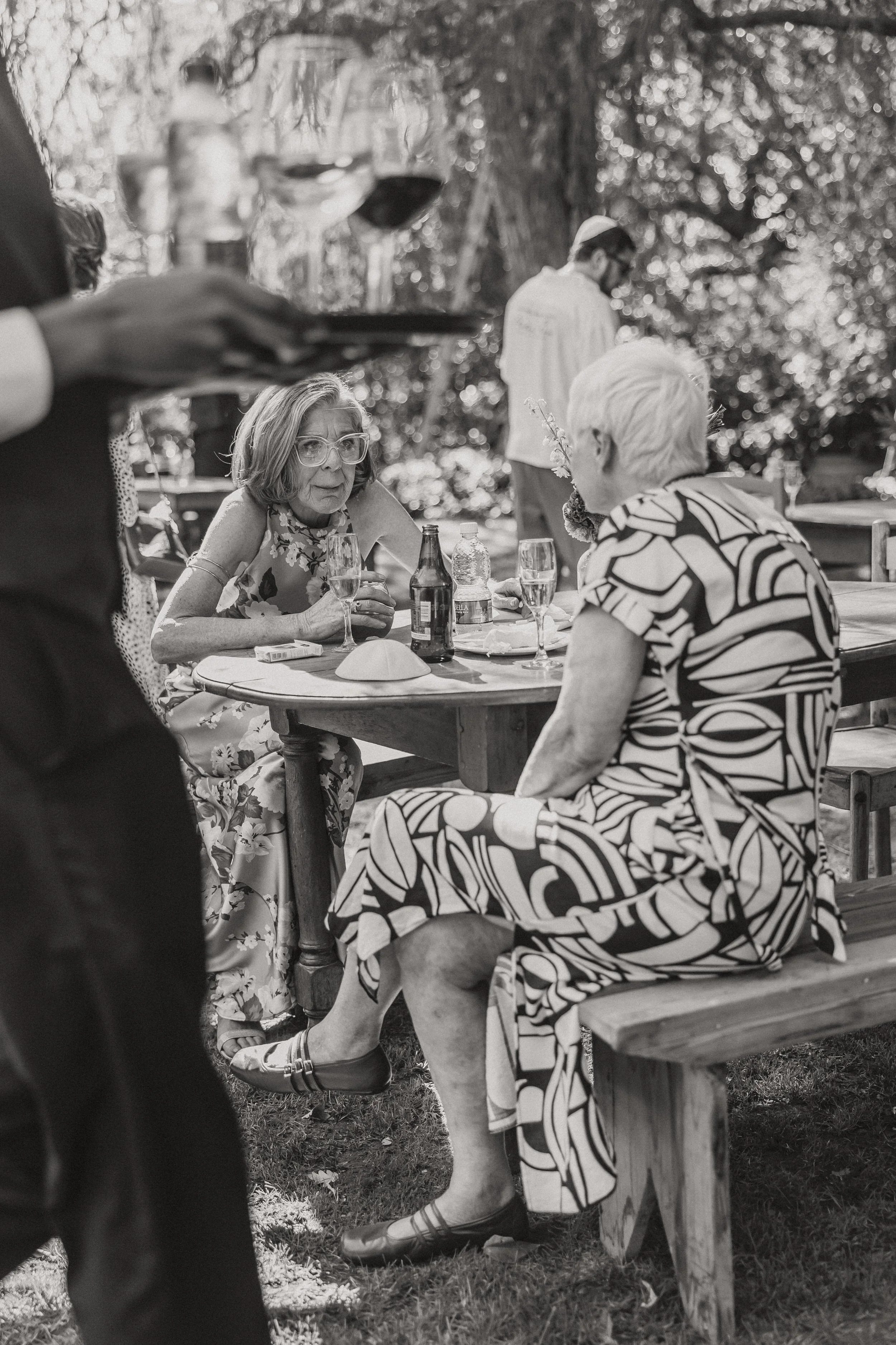
Stay human
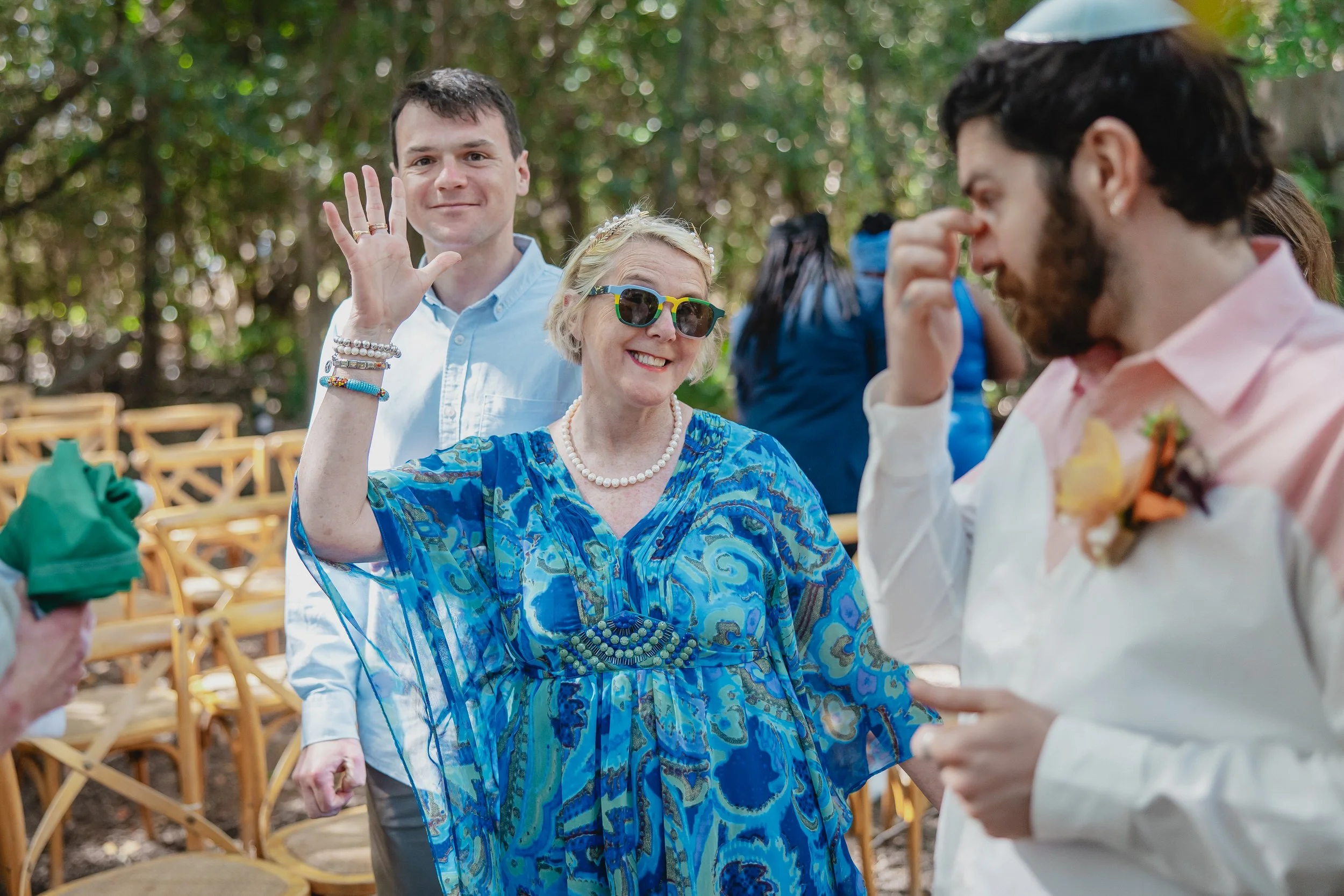
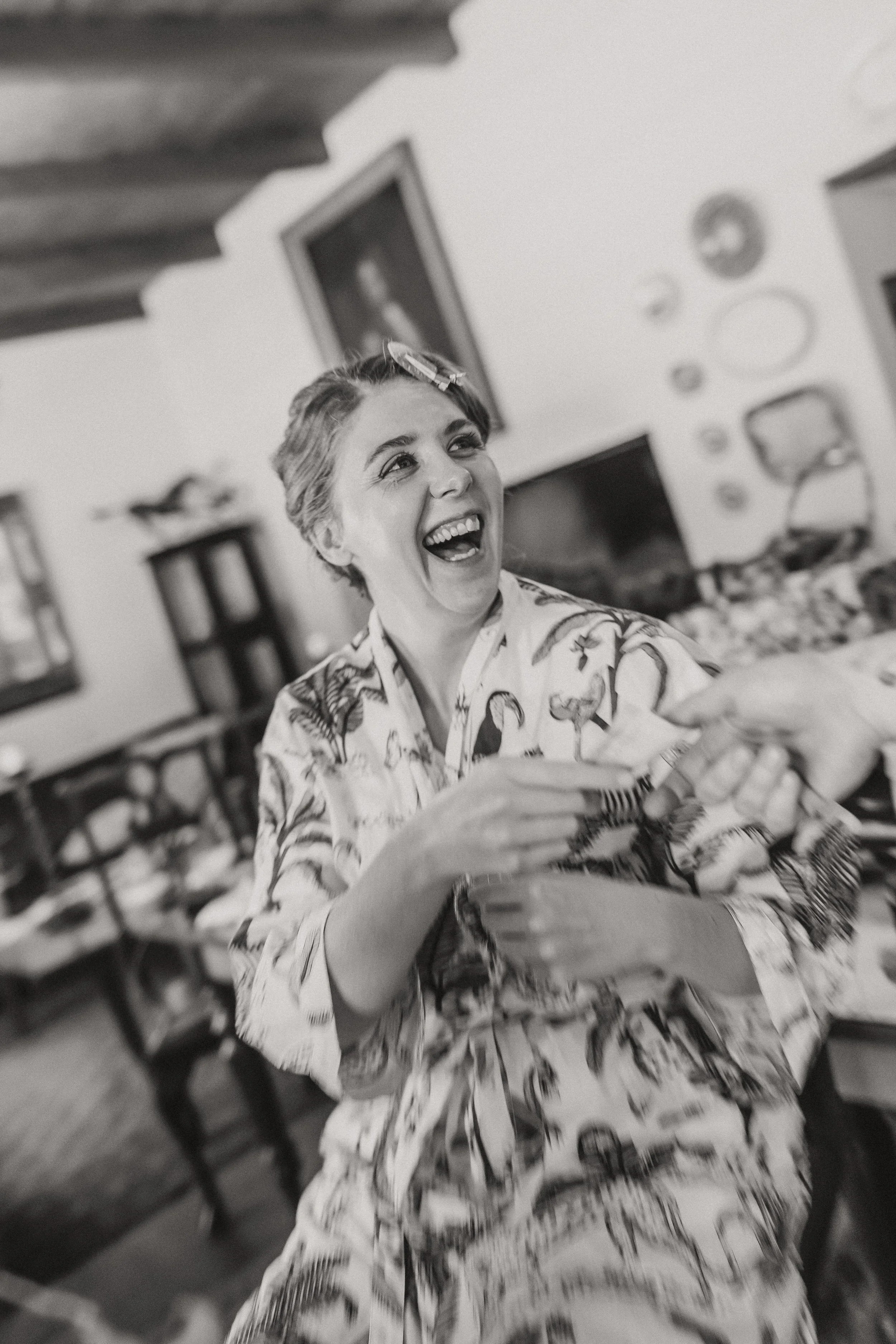
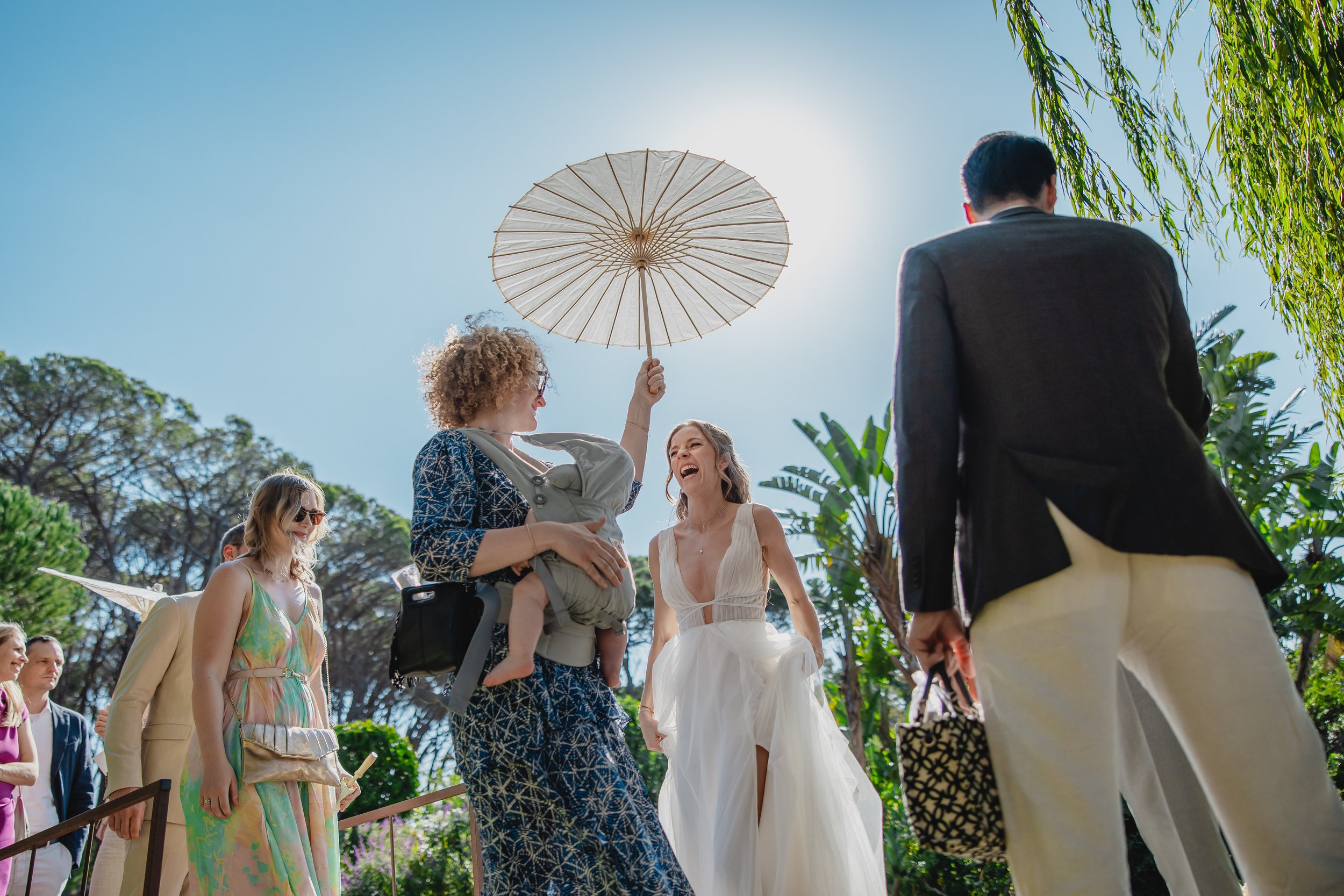
Heroing the guests does not mean hunting them like items on a shot list.It means being part of the room as a human being.Learn names when you can. Notice when someone feels uncomfortable. Help when help is needed. Laugh with people. Give them space. Treat every guest as though they may be deeply important to the couple, because there is a good chance they are.
People reveal themselves when they feel safe.The more comfortable they are with your presence, the less your camera becomes a barrier. That is when the guarded smile disappears. That is when the real laugh arrives. That is when people stop performing for the photograph and return to the celebration.
Who are you shooting for?
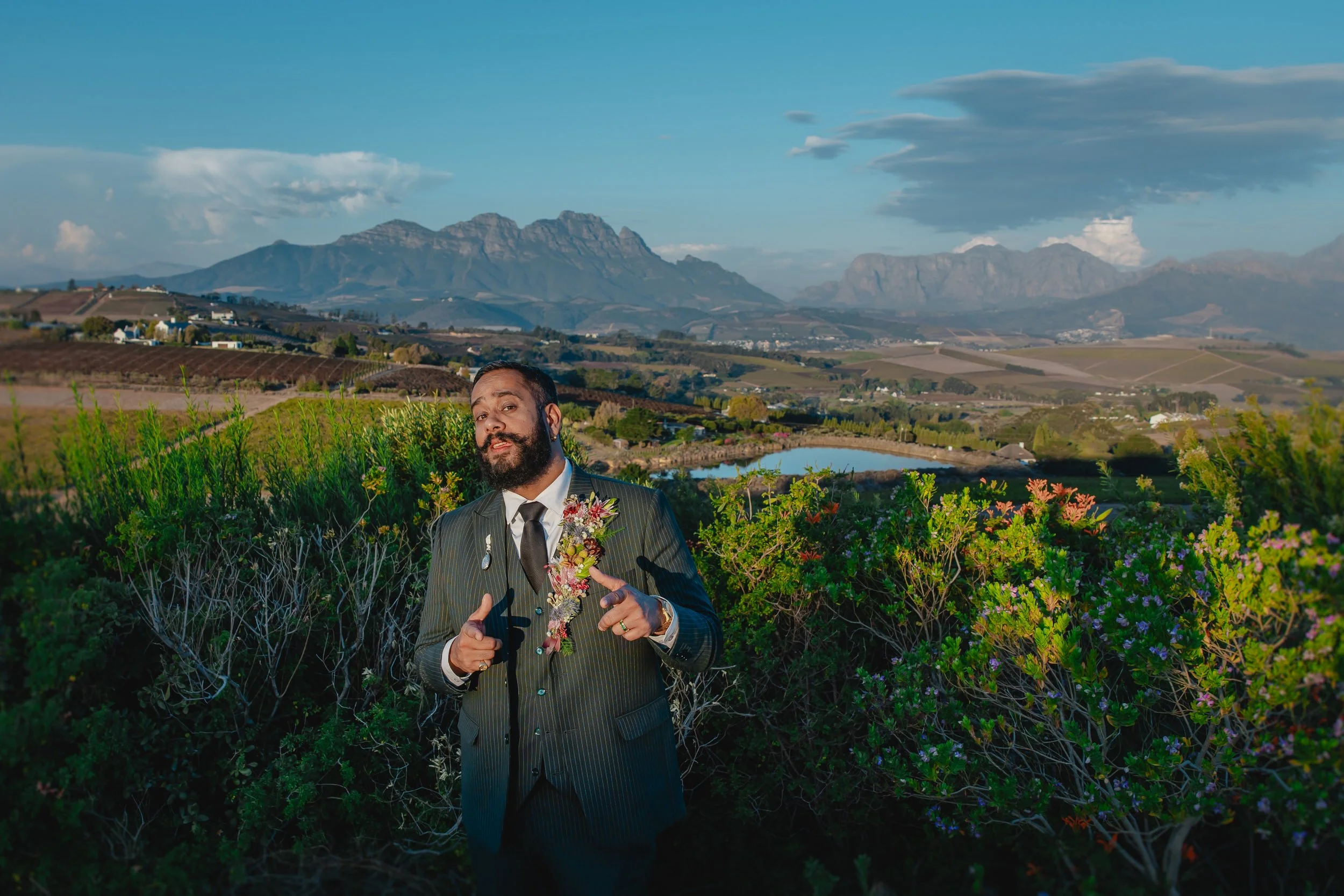
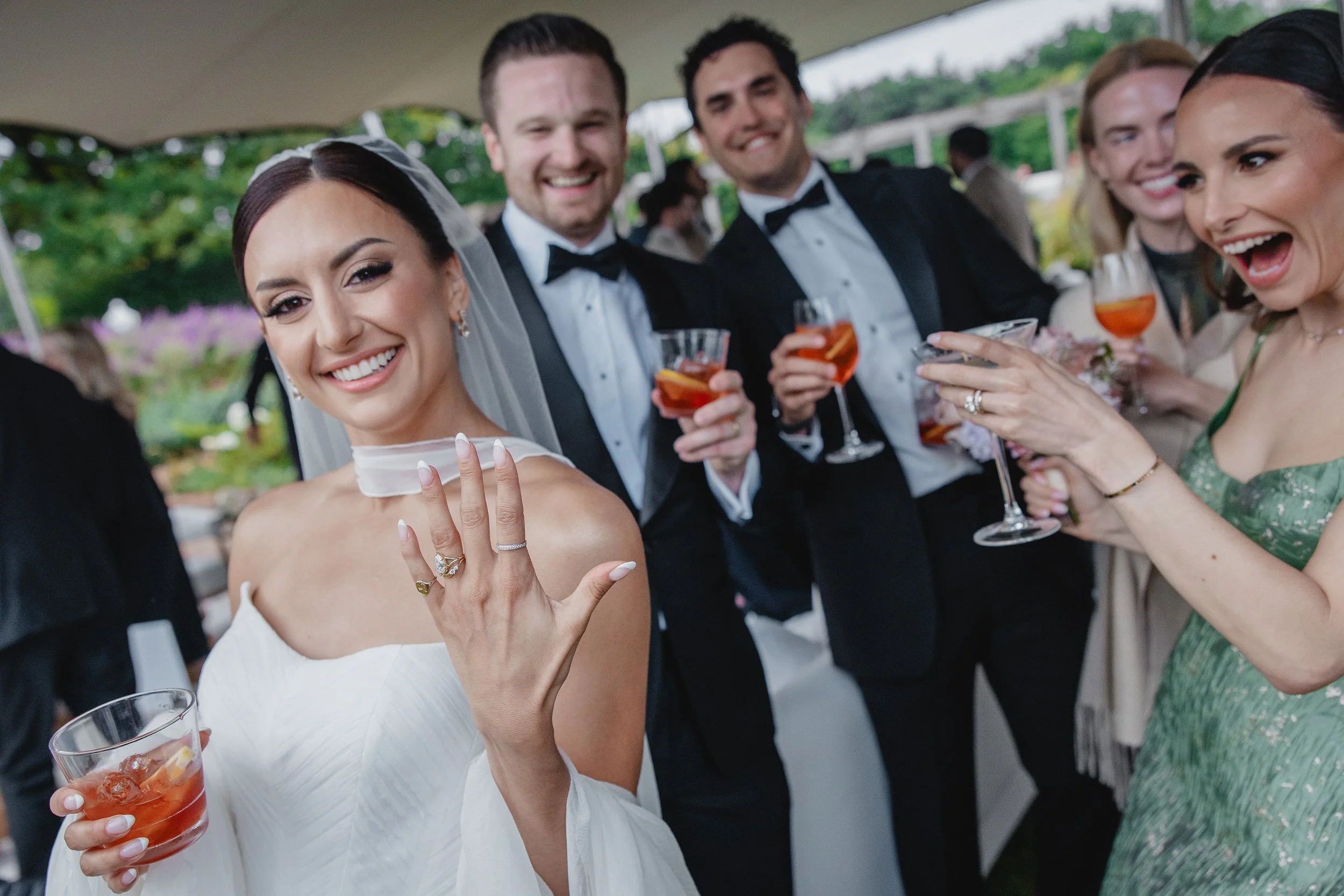
Heroing the guests does not reduce the importance of the couple.
It completes their story.
The couple is still at the centre, but a centre only has meaning in relation to everything surrounding it. Their wedding matters because of the life, history and community gathered around them.
Our job is to see that world clearly and preserve it honestly.
So before you lift your camera, ask yourself again:Who am I shooting for?What will matter to them when the flowers are gone, the dress has been packed away and the people in these photographs have changed?Aim your camera there.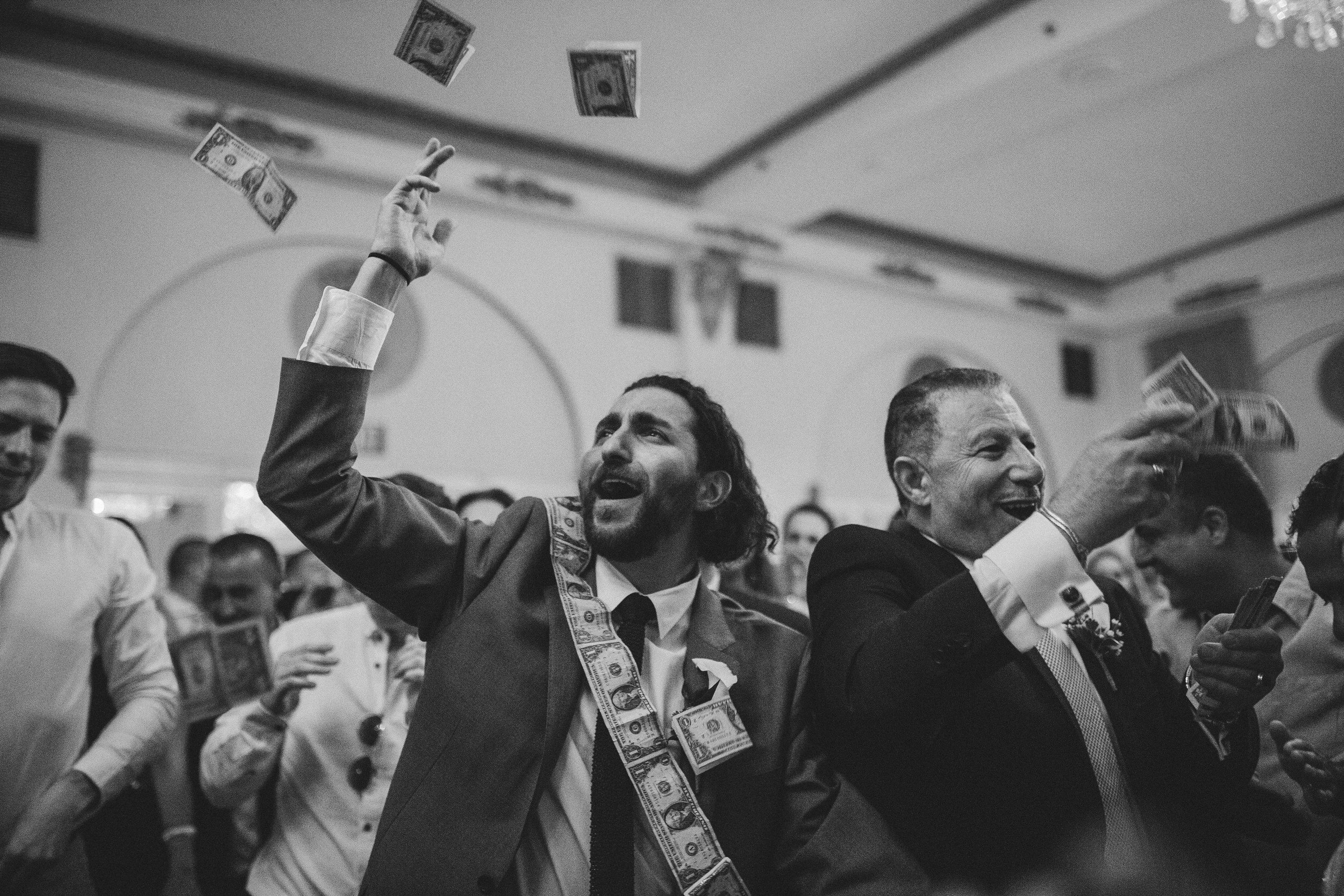
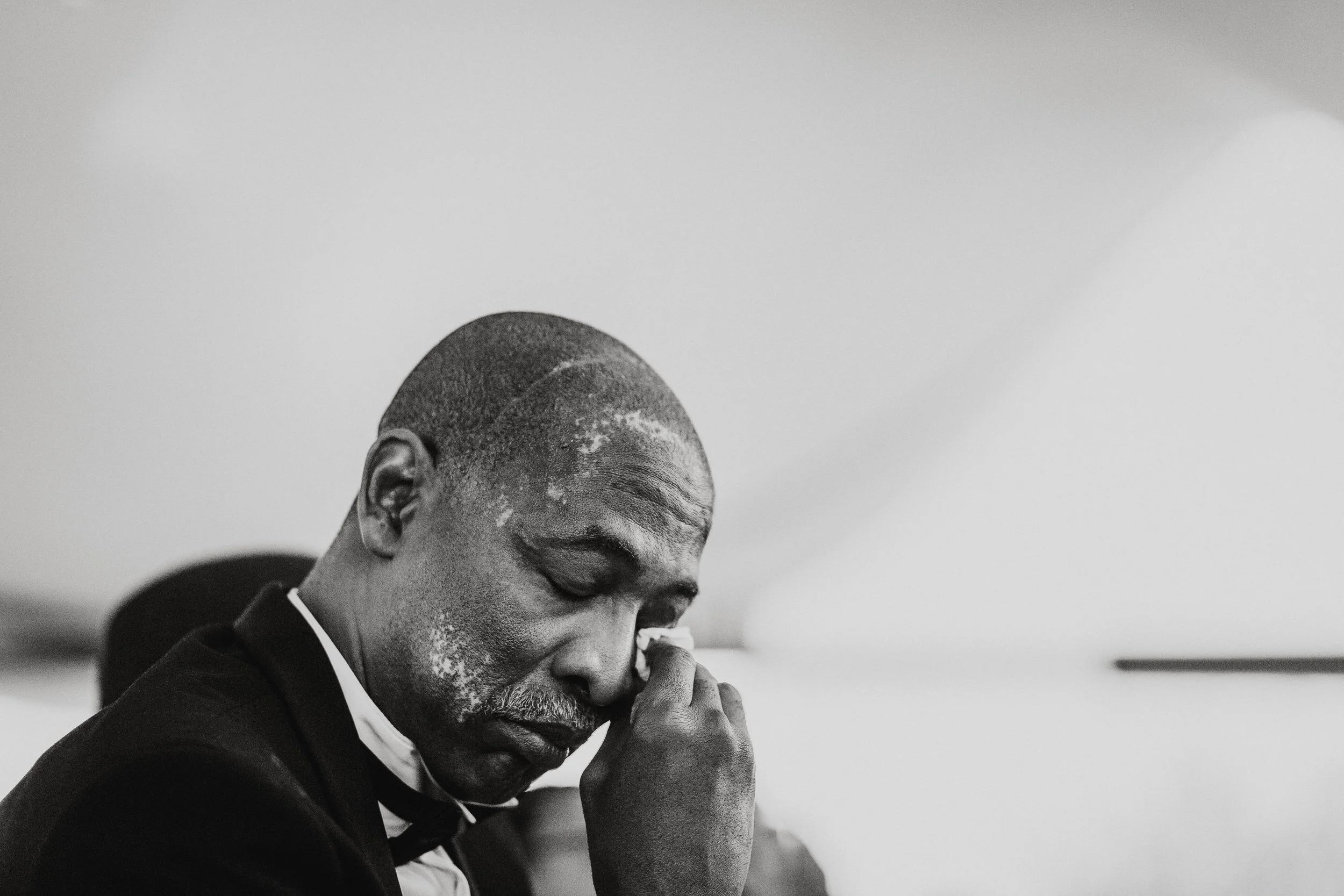
This image will live forever. The groom and his dad celebrated on his wedding day. 2 years later, the groom passed away. I’m sure this image will live forever in his dad's heart too.
MOMENTS MATTER.